A custom seal driver kit was required to safely and accurately install axle seals on a Toyota Celica RA40. The chosen solution was a 3D-printed driver sized specifically for the application.
(2026)
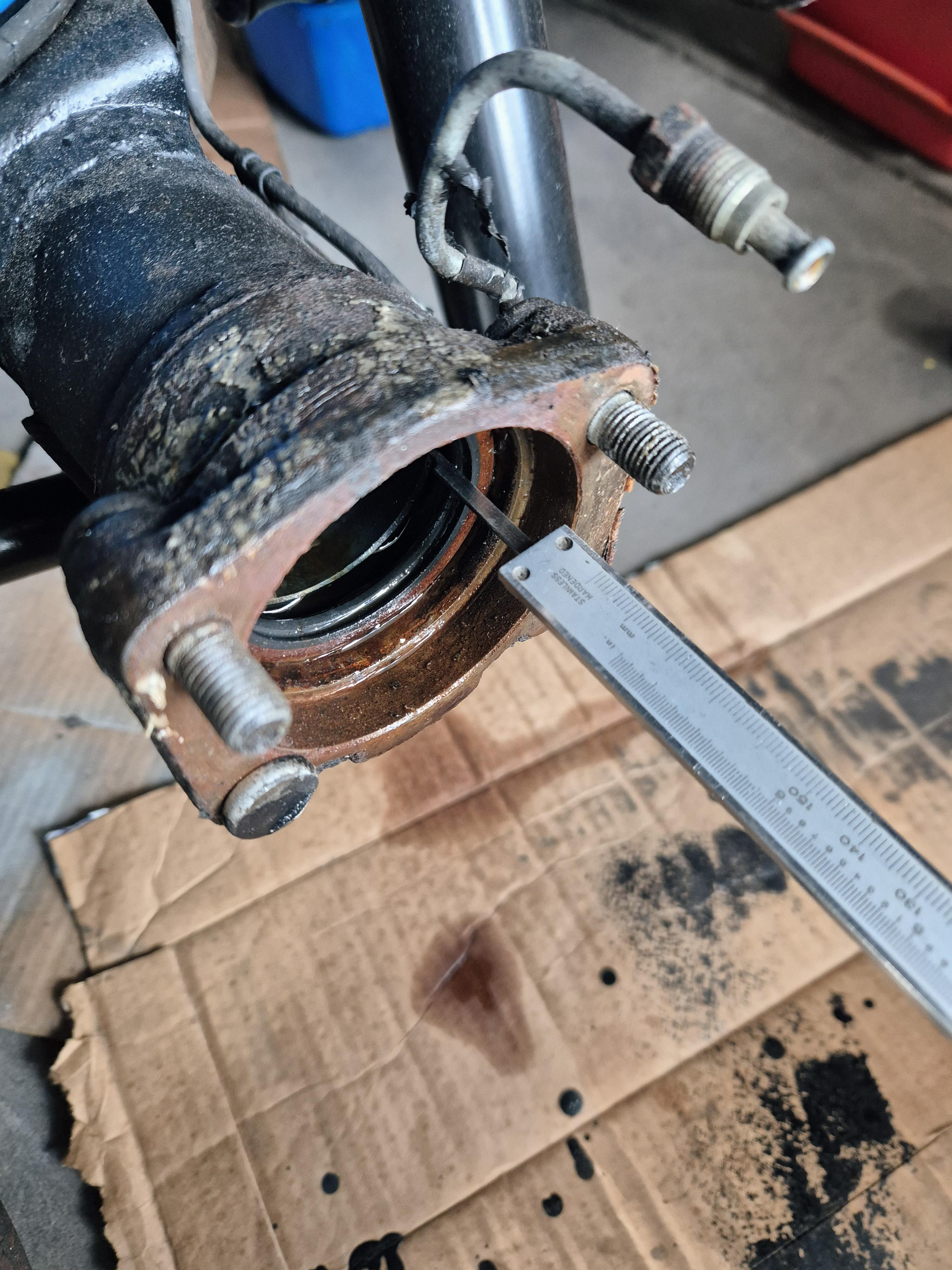
Depth Measurements
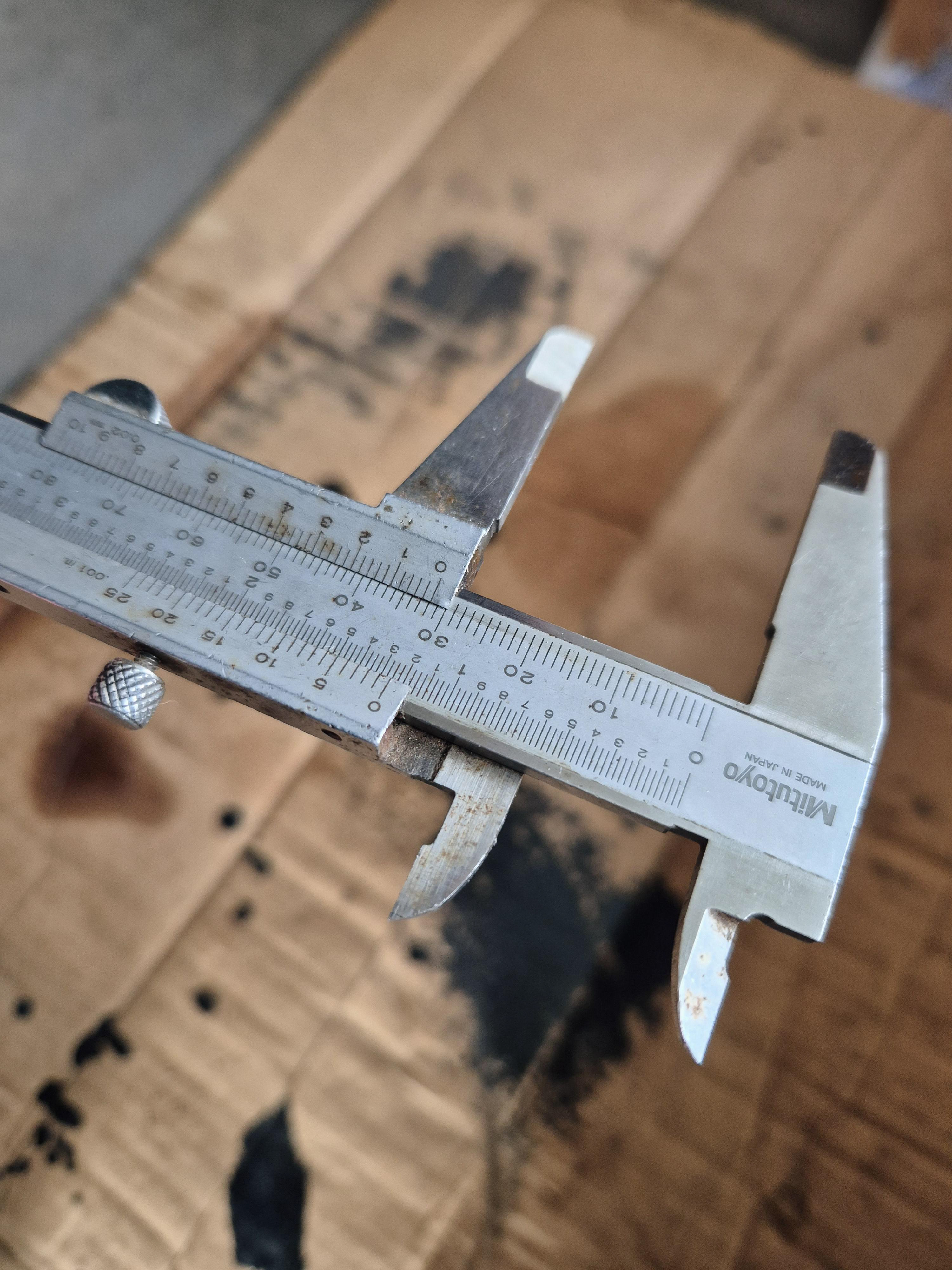
Depth Measurements
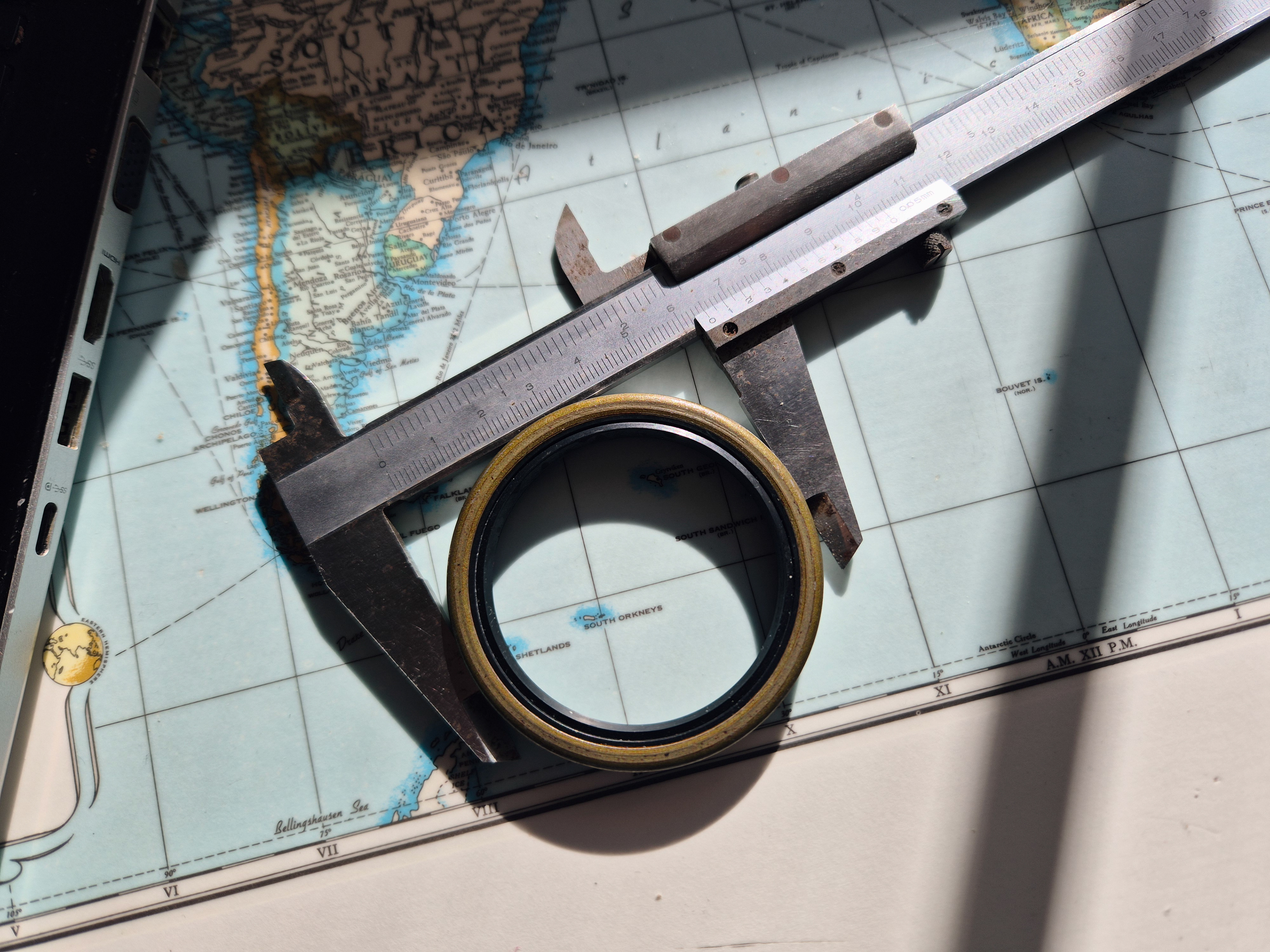
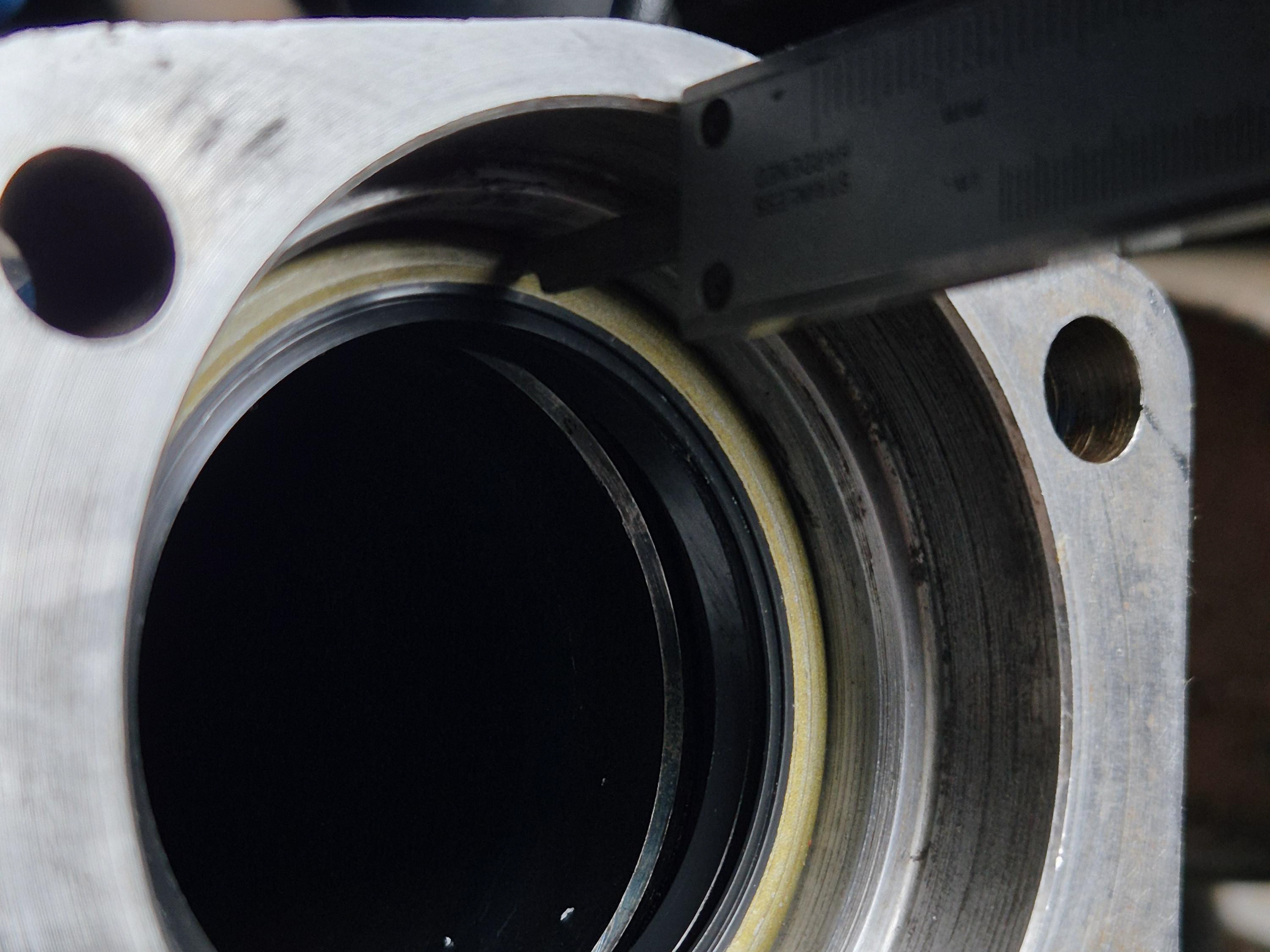
Seal Diameter Measurements
Seal diameter: 65mm. Maximum seal-to-flange depth: ≈32mm.
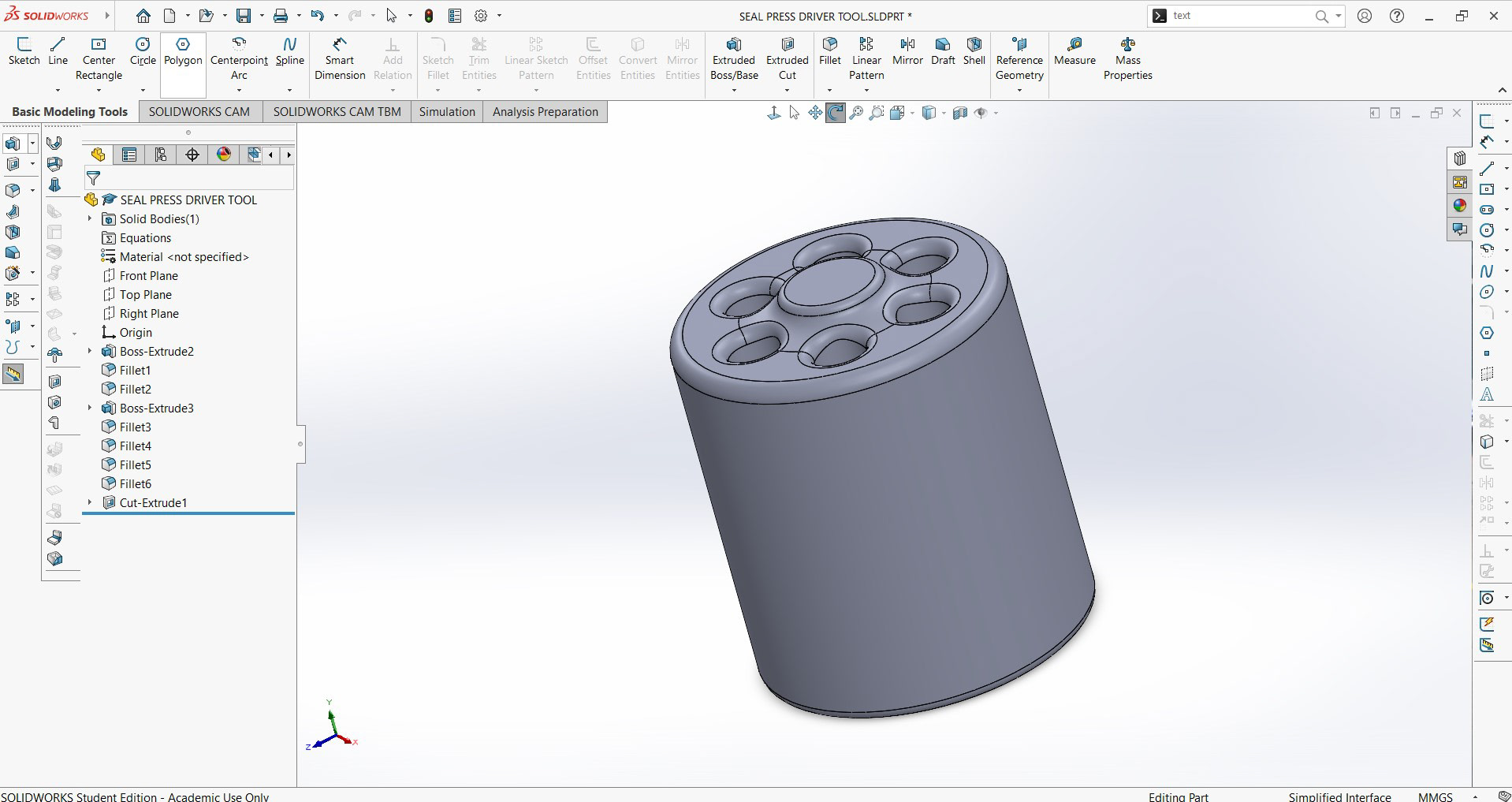
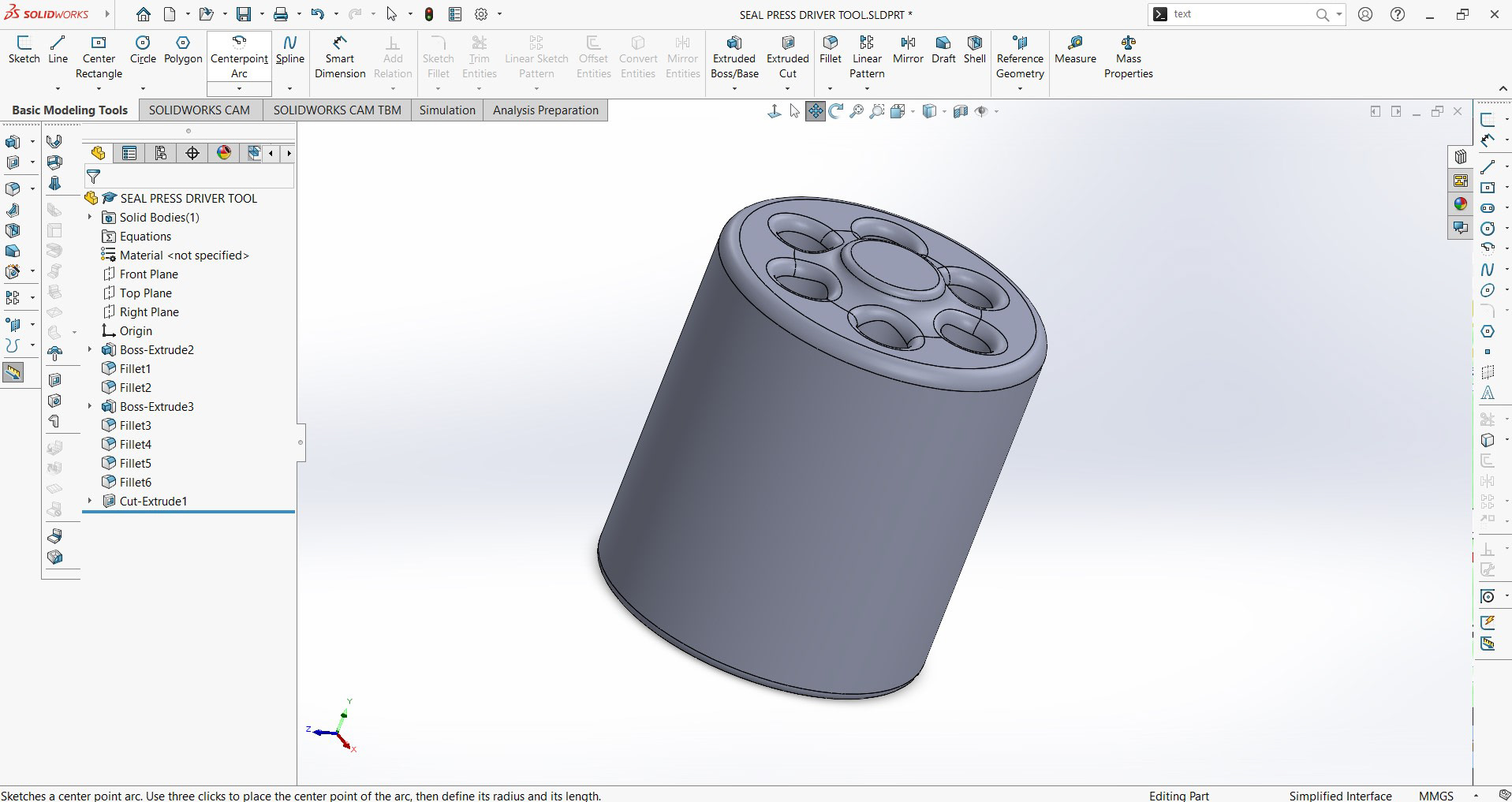
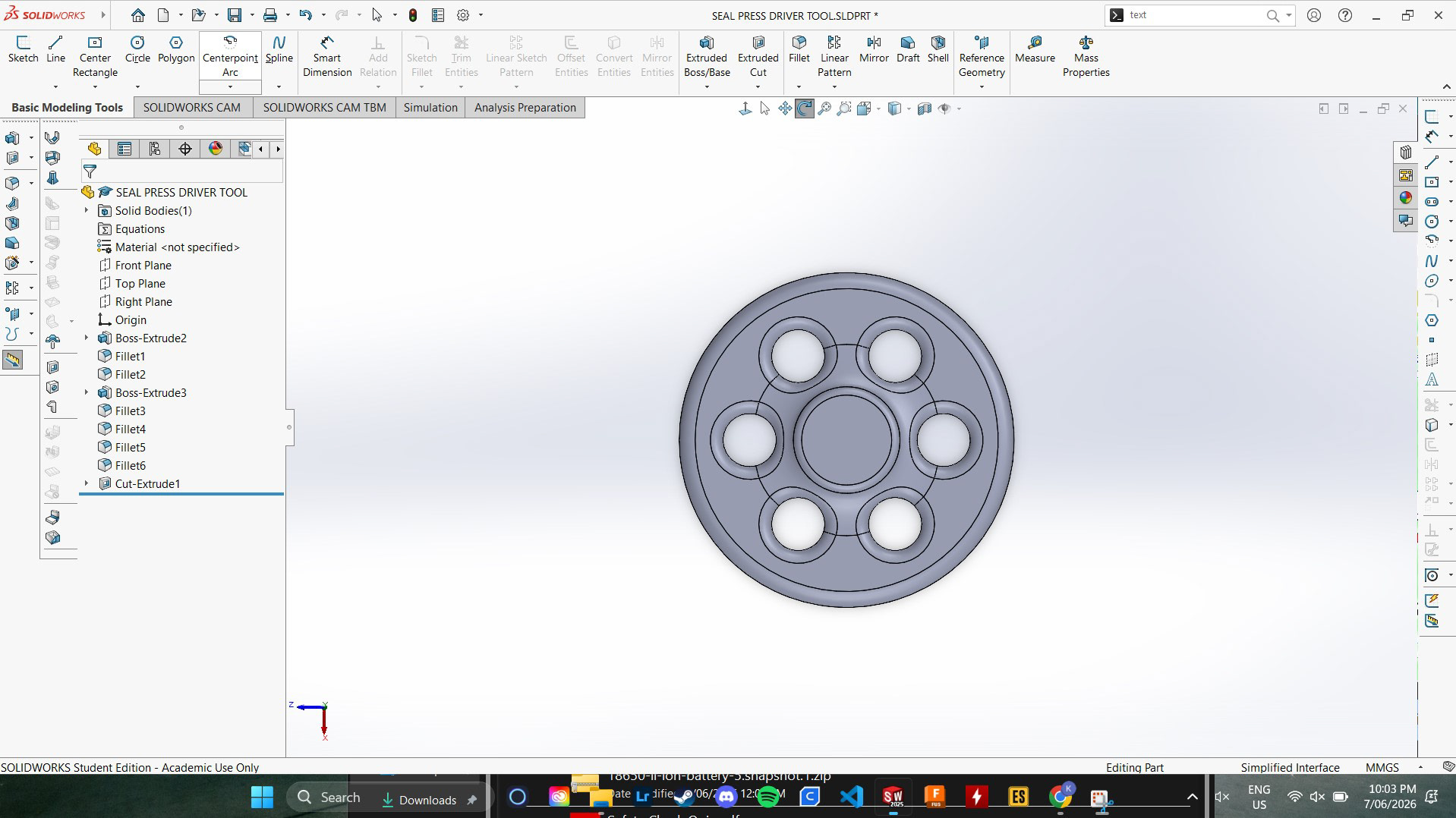
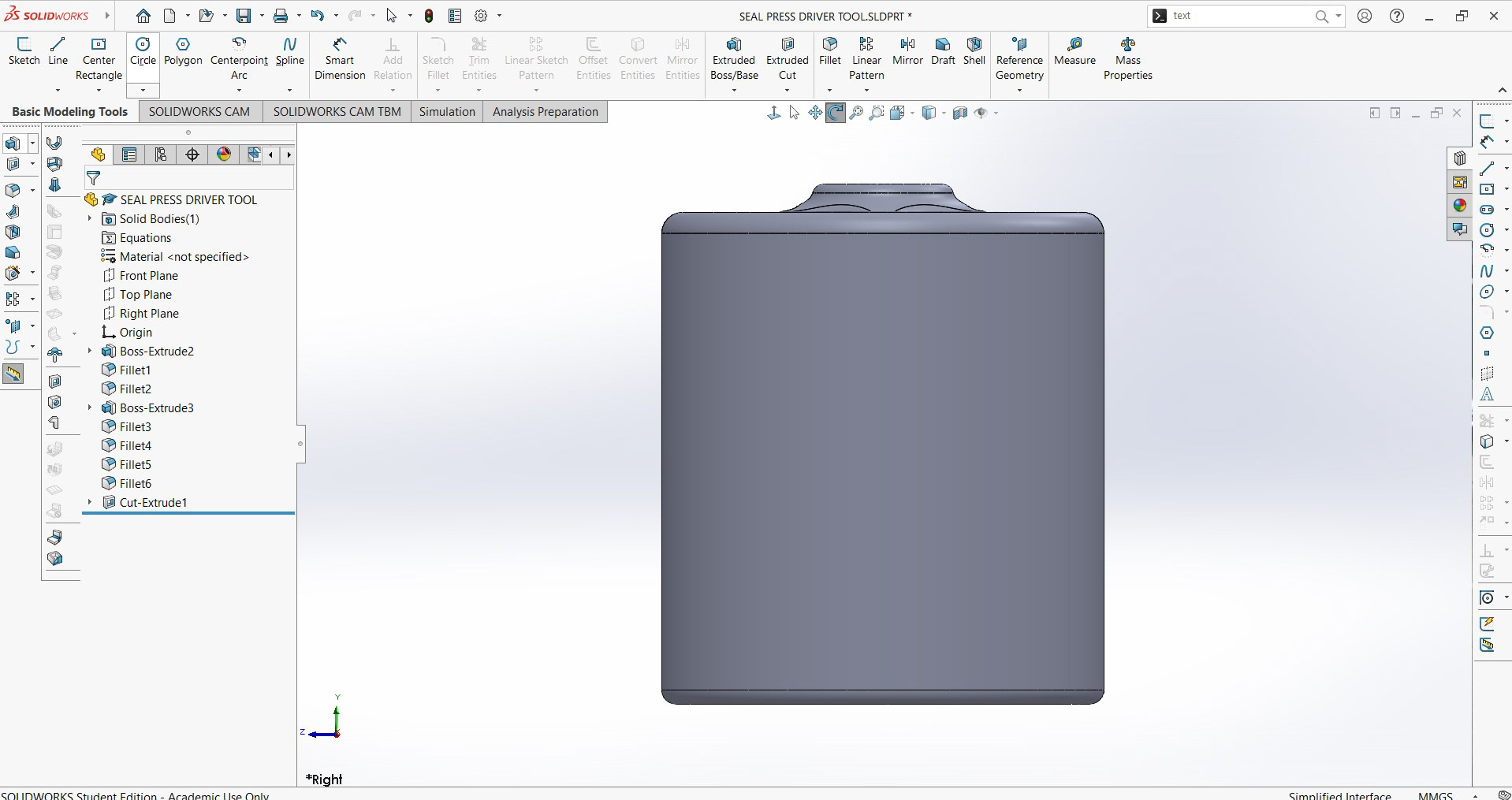
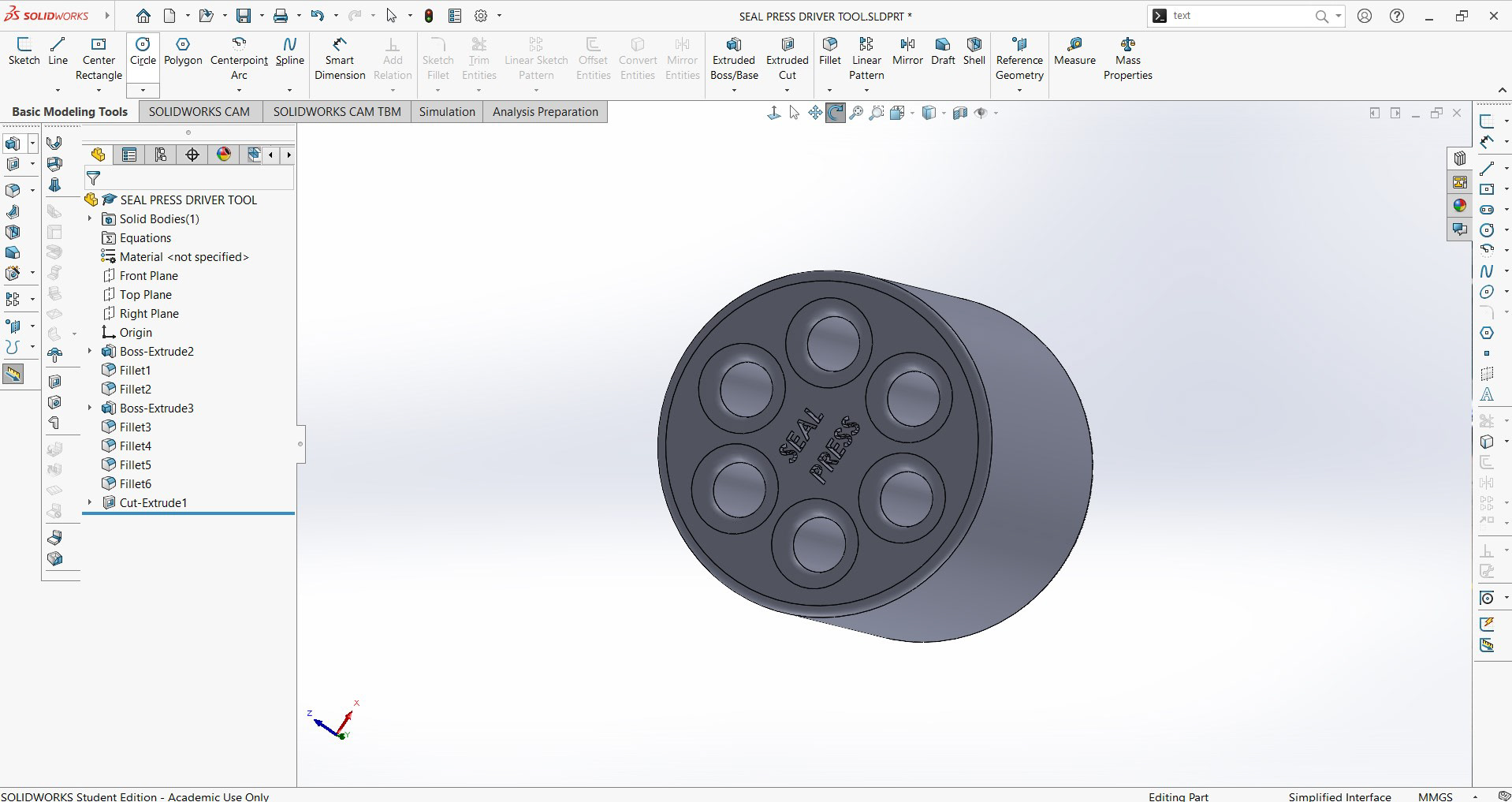
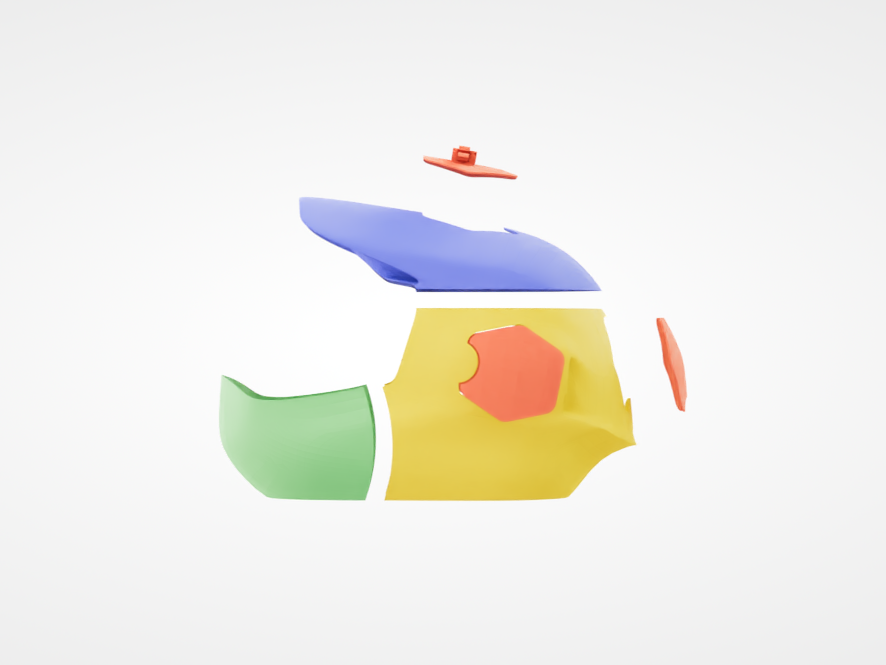
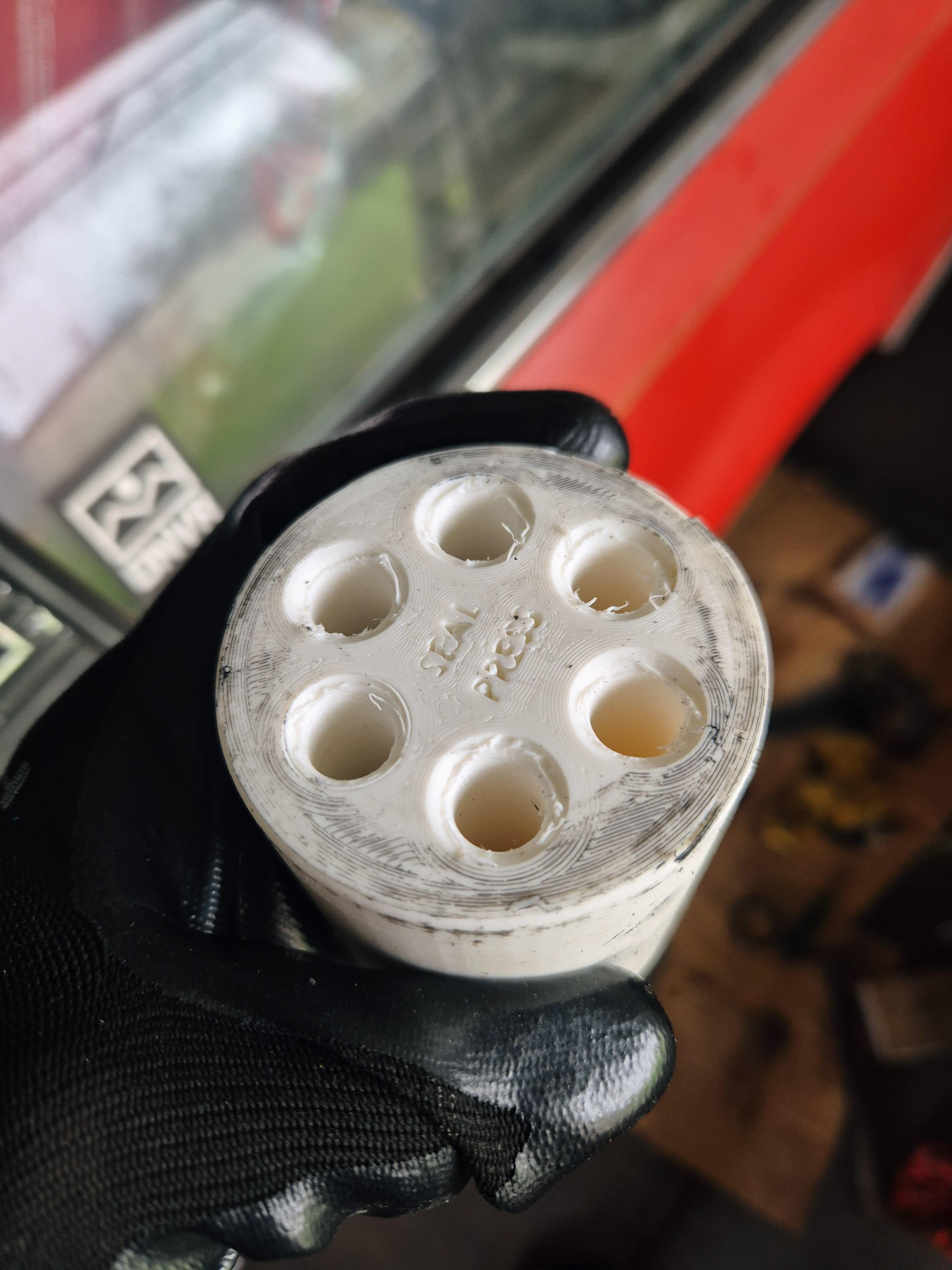
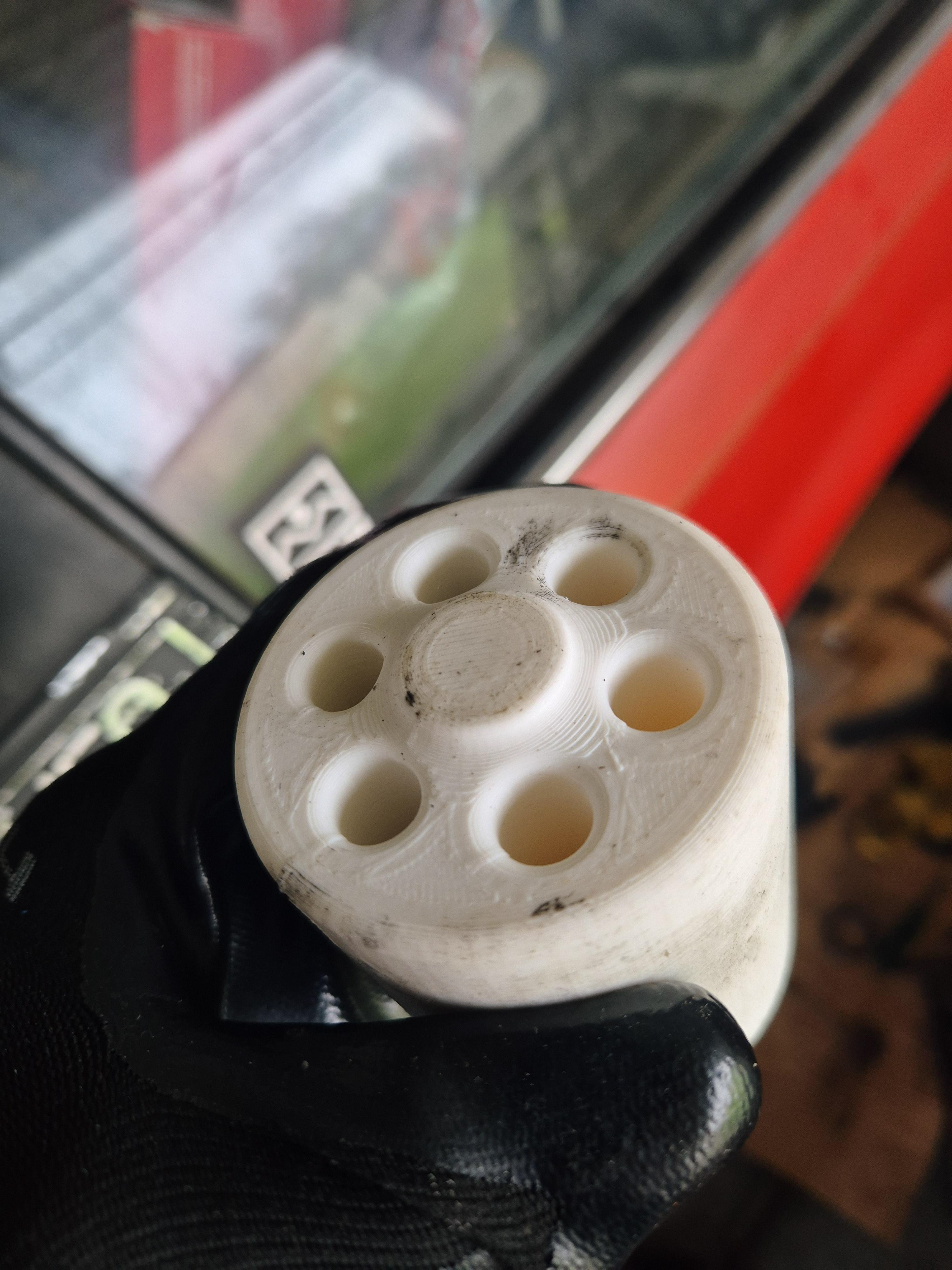
Design intent: A 63mm diameter driver body with a 36.5mm diameter array of six 10mm holes, and a 70mm overall body height. The striker plate sits 6mm above the main contact surface. Variable size & distributed fillets were incorporated to disperse impact loads, improving strength and reliability while reducing the risk of chipping along seams and edges. All sharp edges were rounded to further minimise stress concentration and surface cracking.
The final print weighs 160g, providing useful weight transfer during use while remaining strong and easy to handle. The tool was printed in PLA using 8 top and bottom layers, 5 walls, and a 50% gyroid infill.
The additional top and bottom layers increase the thickness of the two impact-facing surfaces, while the 5-wall perimeter is maintained throughout, including around the array of cylindrical cutouts. This effectively creates six reinforced columns, each with 5 walls of material around their diameter, further increasing the part's resistance to compressive and impact loading.
The additional top and bottom layers increase the thickness of the two impact-facing surfaces, while the 5-wall perimeter is maintained throughout, including around the array of cylindrical cutouts. This effectively creates six reinforced columns, each with 5 walls of material around their diameter, further increasing the part's resistance to compressive and impact loading.
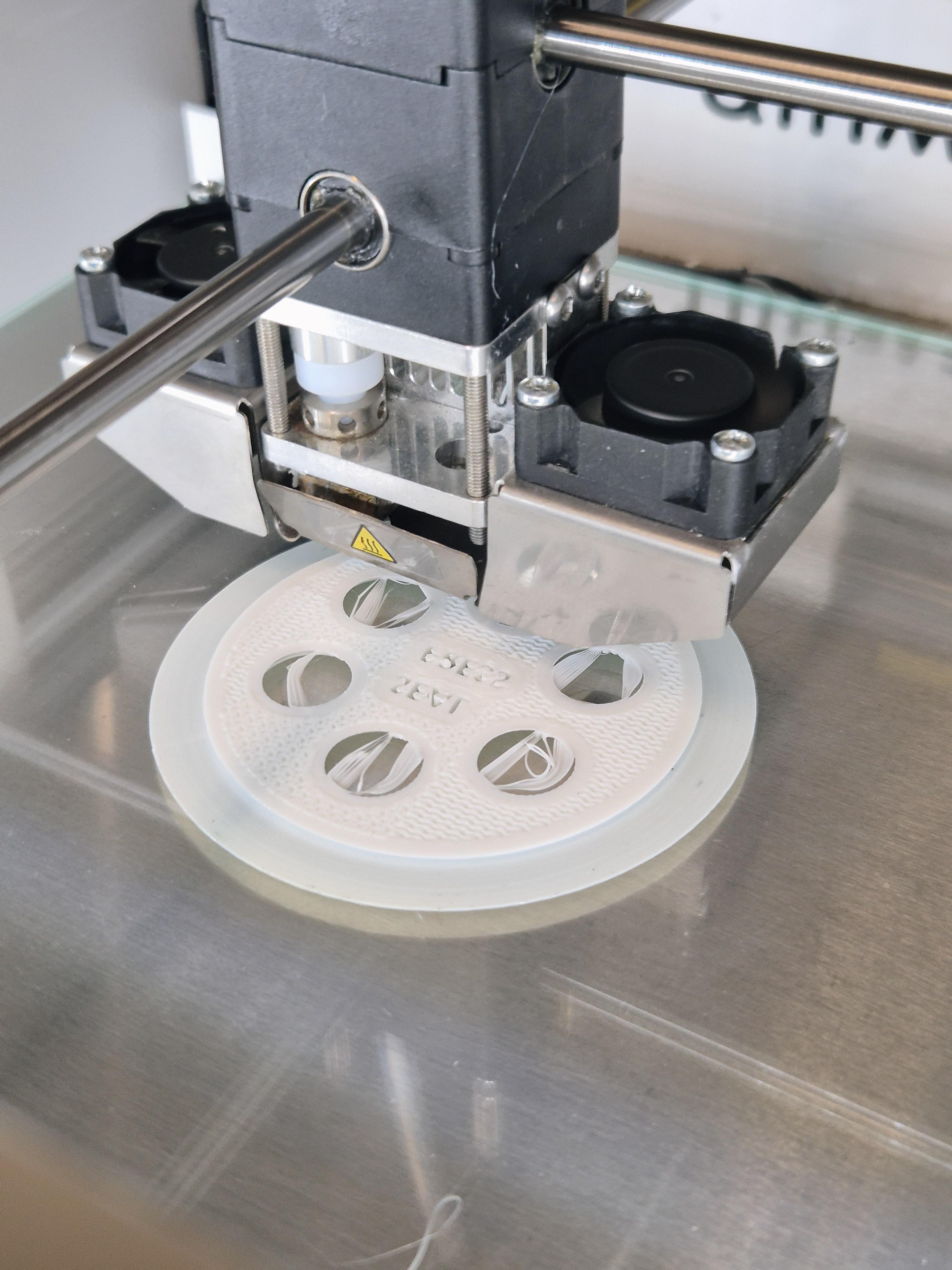
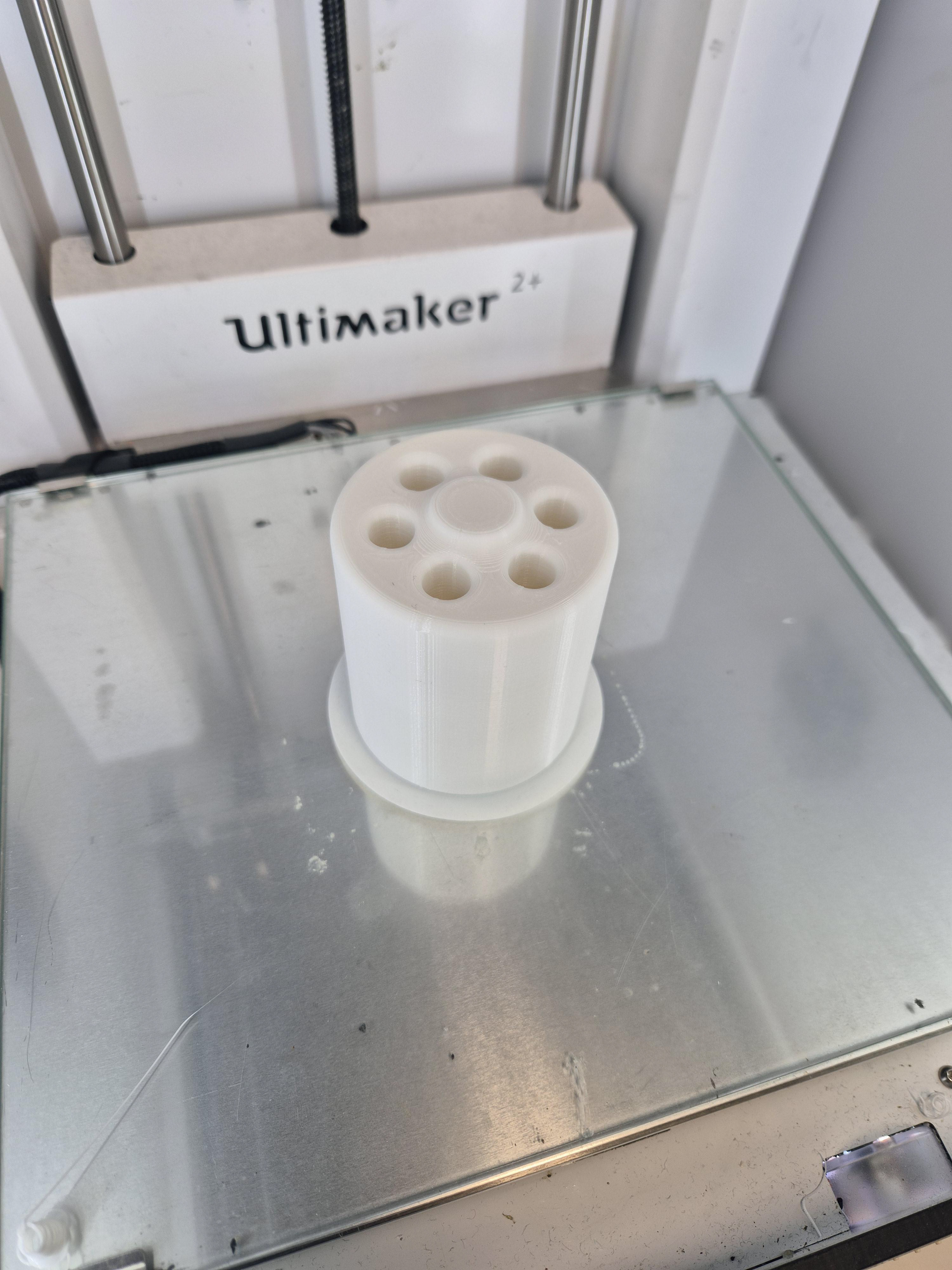
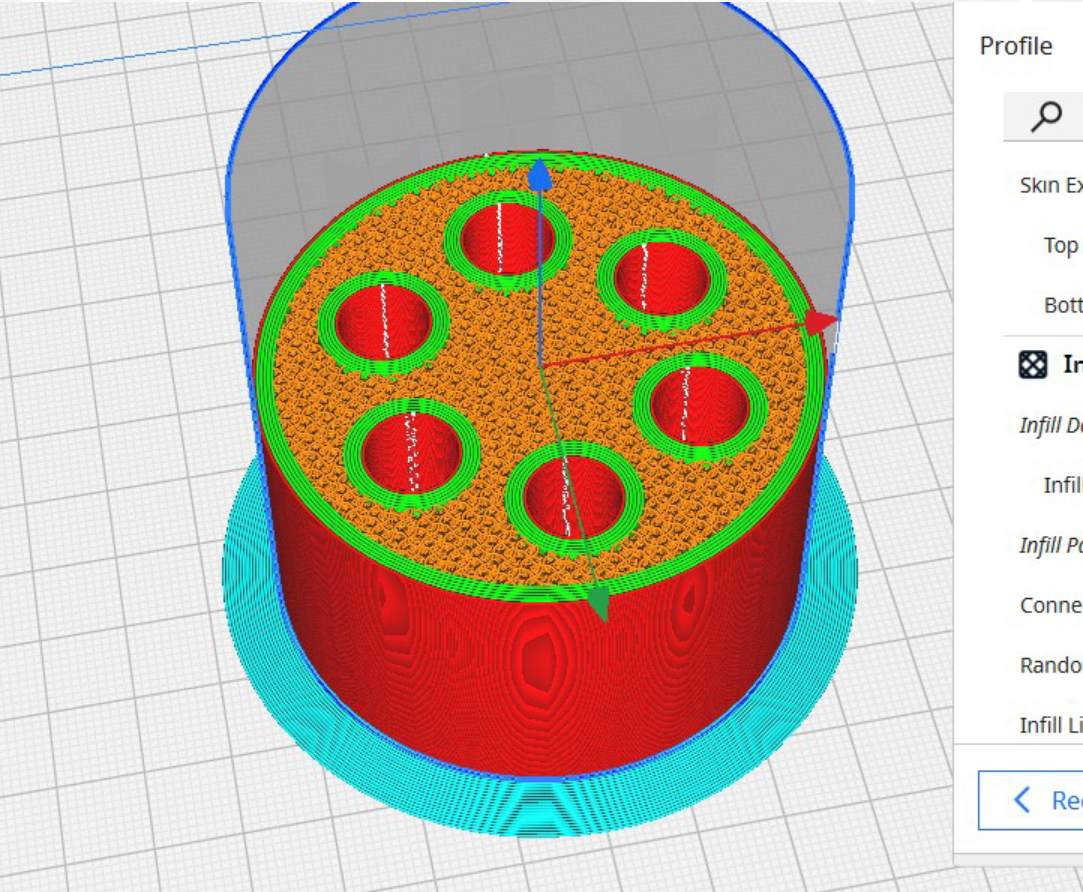
Gyroid infill was selected for this application due to its triply periodic minimal surface geometry, which provides near-uniform strength in all directions, unlike infill patterns such as rectilinear or grid, which are stronger along certain axes and weaker along others. This makes gyroid particularly effective at absorbing and distributing shock loads evenly, while also offering a high strength-to-weight ratio and good resistance to compressive forces. Additionally, gyroid infill prints relatively quickly and smoothly due to its continuous, non-stop toolpath, which avoids the constant direction changes seen in patterns like grid or honeycomb, reducing print time and mechanical wear on the printer.
Following repeated impact testing with a hammer, both the seal-contact face and the raised striker plate retained full structural integrity. Minor surface stringing, present from the support material prior to use, had no effect on performance.
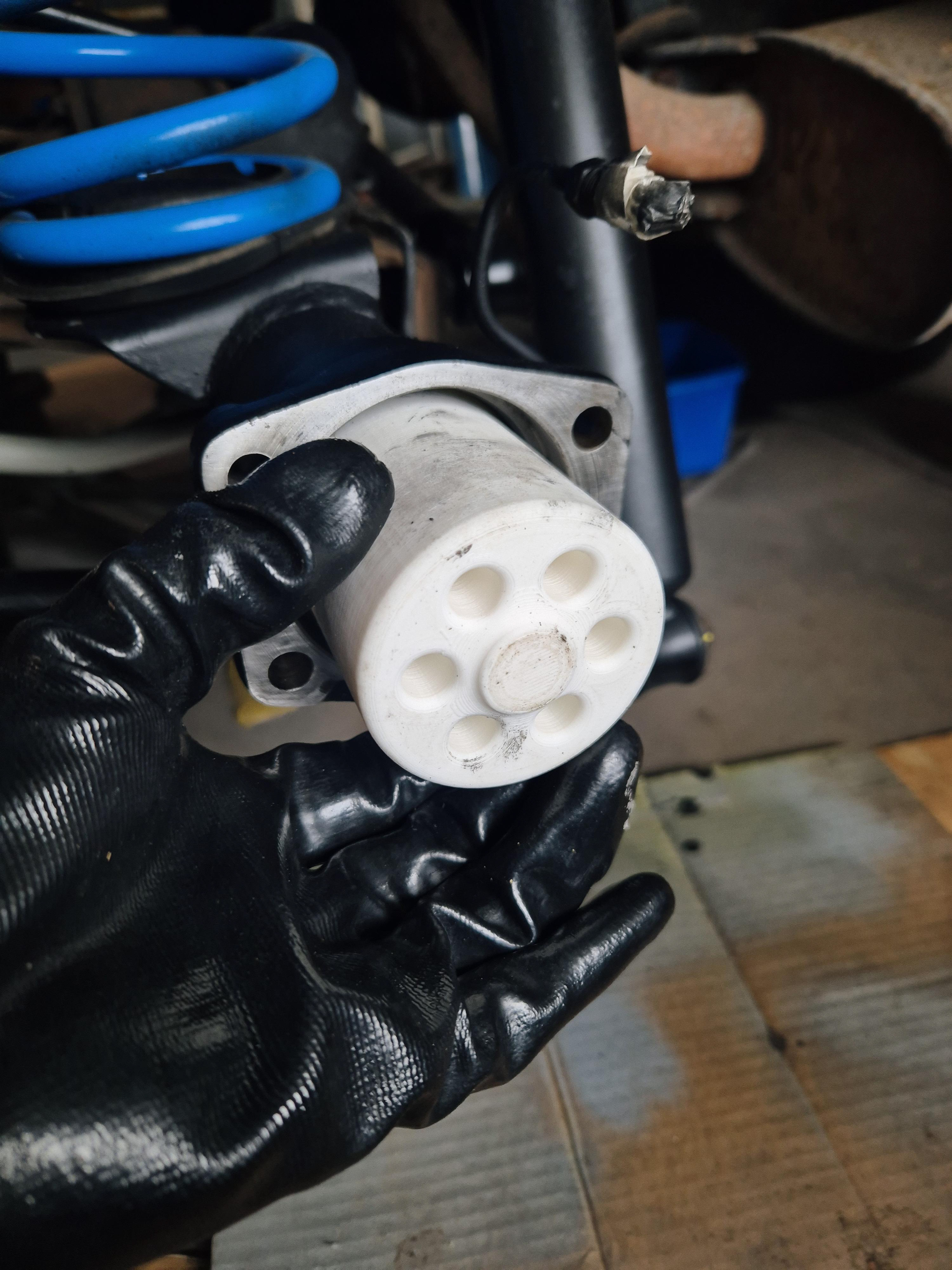
The axle seals were successfully installed and verified to sit flat and flush in accordance with manufacturer specifications.
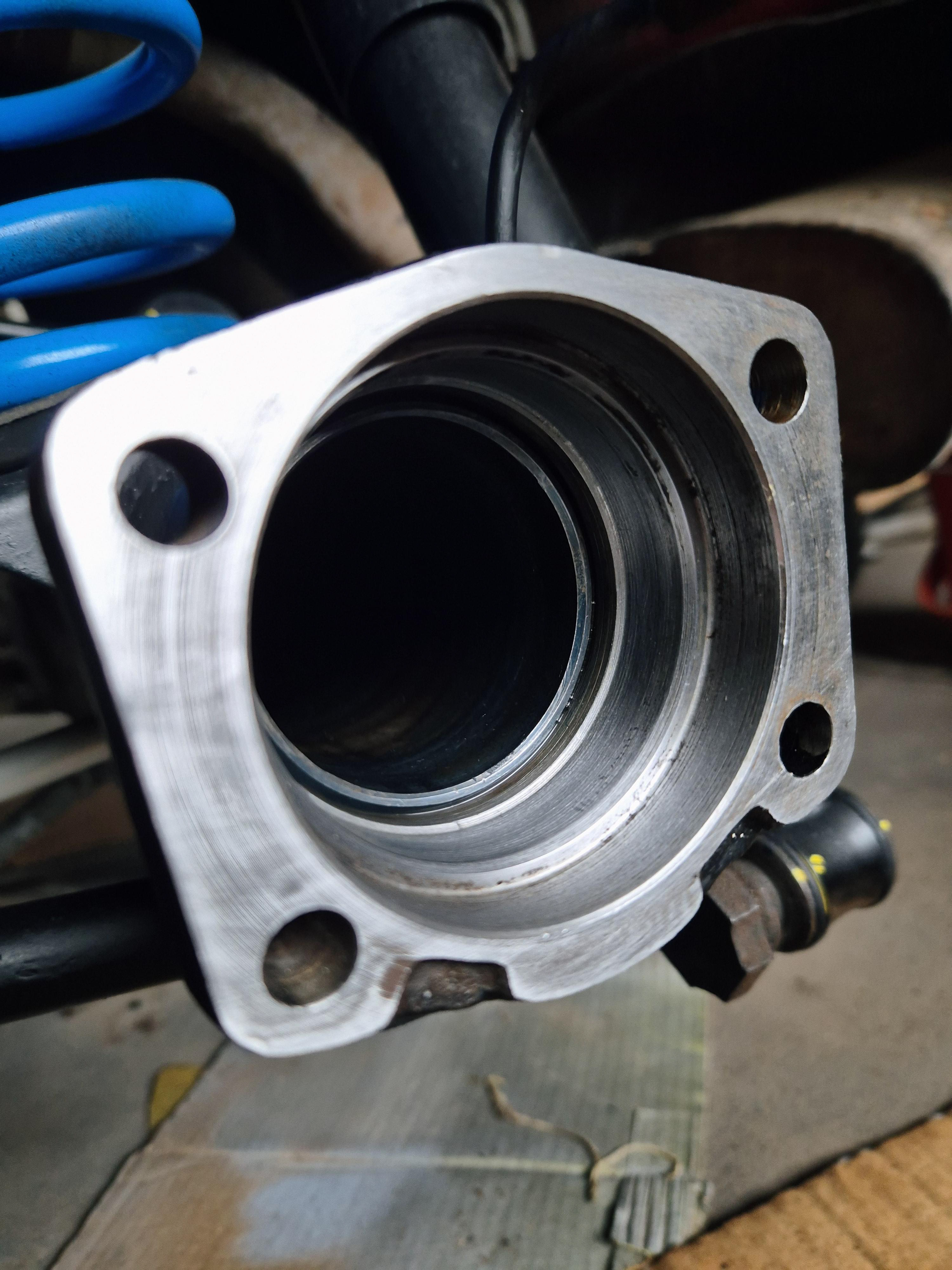
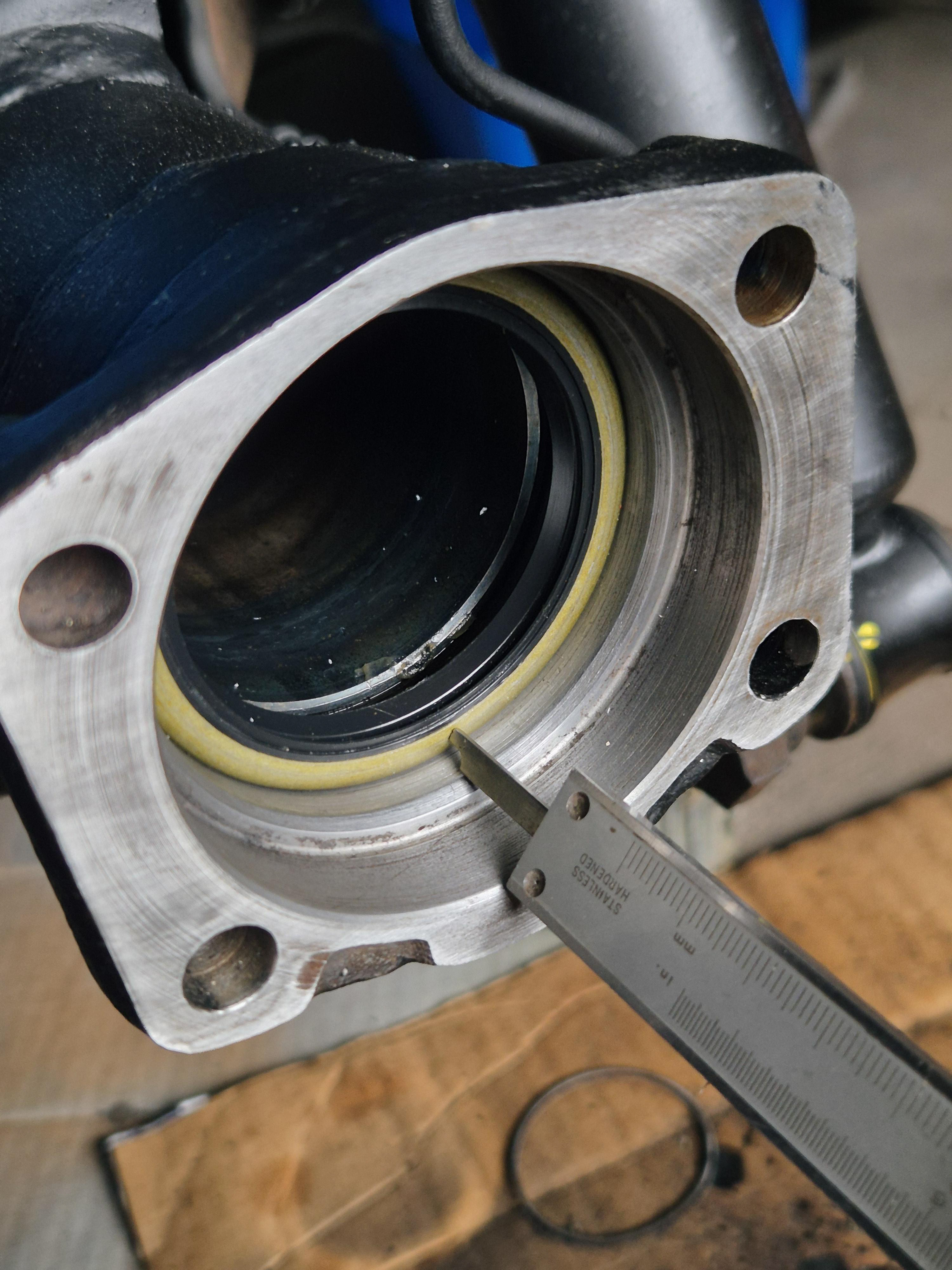
The tool performed reliably throughout the install. Potential refinements identified include a recycled bottle cap as a striker plate cover and further testing of alternative infill patterns and materials. PLA was the only material readily available at the time, but it performed well within this application.