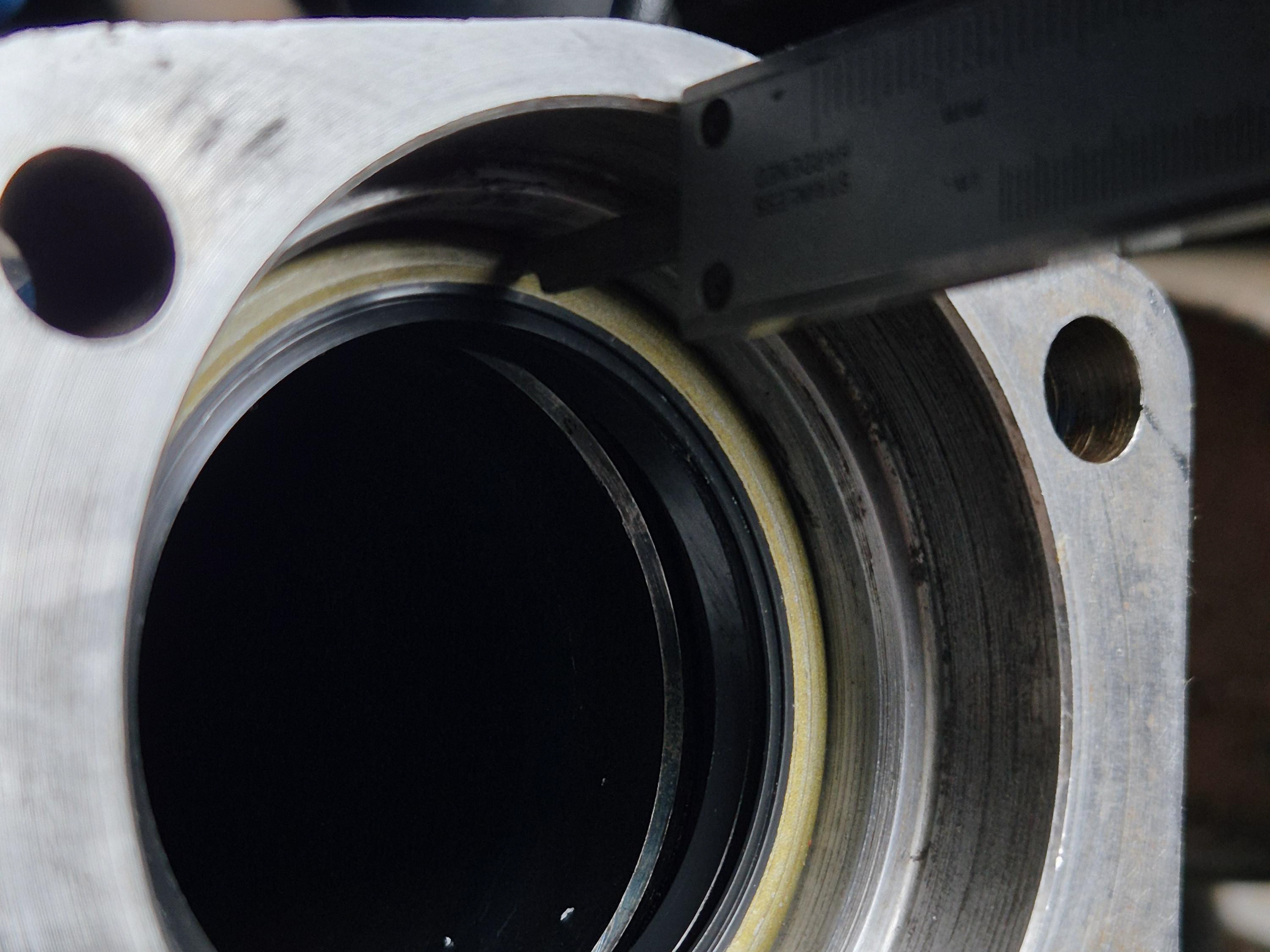
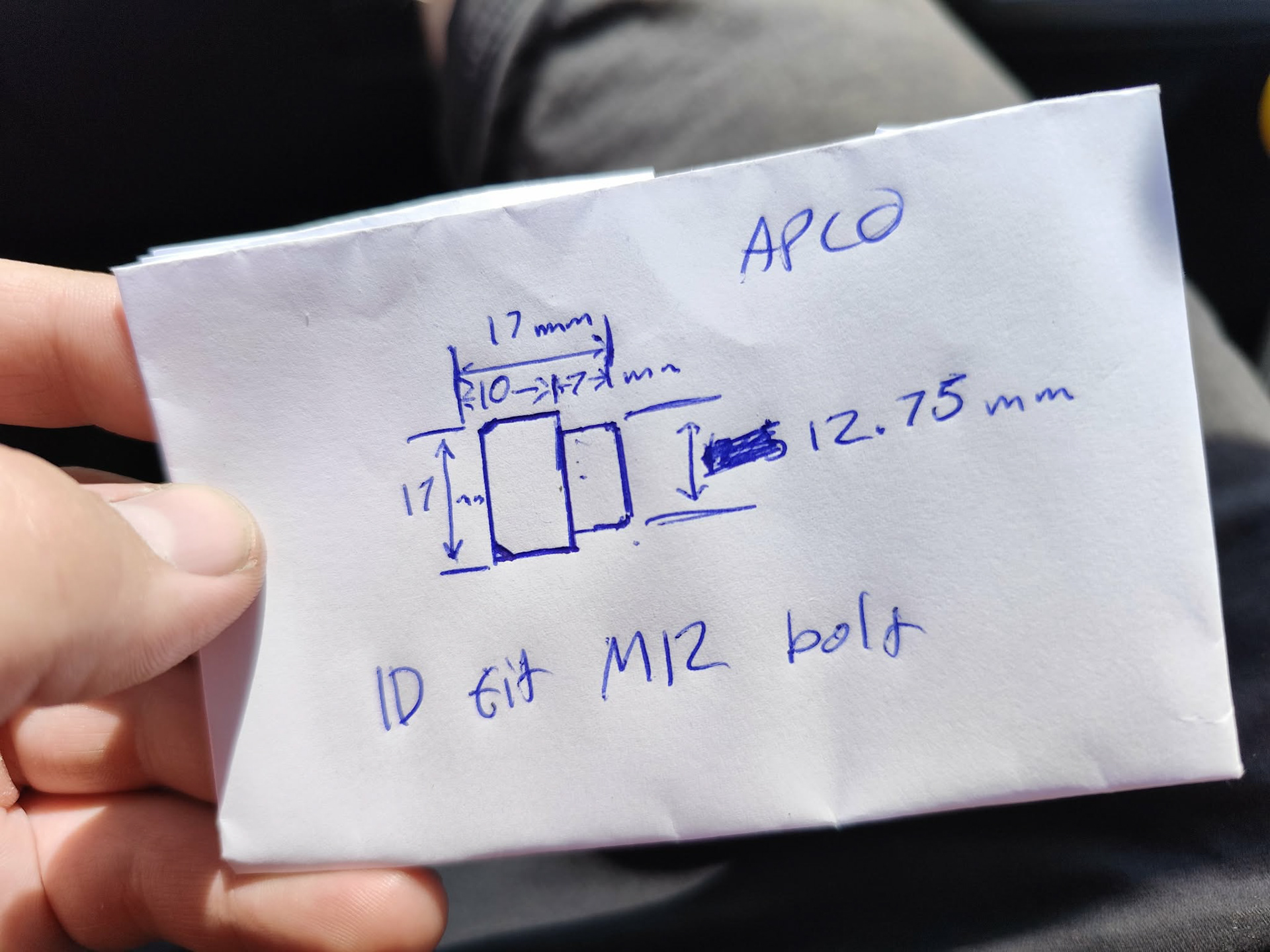
Custom step-down dowels designed for the 1981 Toyota Celica RA40 engine swap project. Swapping a 22R engine into a chassis that originally ran an 18RC requires adapting the two engines' differing dowel hole diameters. While the bolt pattern and location are shared between the 22R and the 18RC/W50 bell housing, the engine-side dowel diameter is larger than the bell housing-side, requiring a stepped dowel to bridge the two.
(2026)
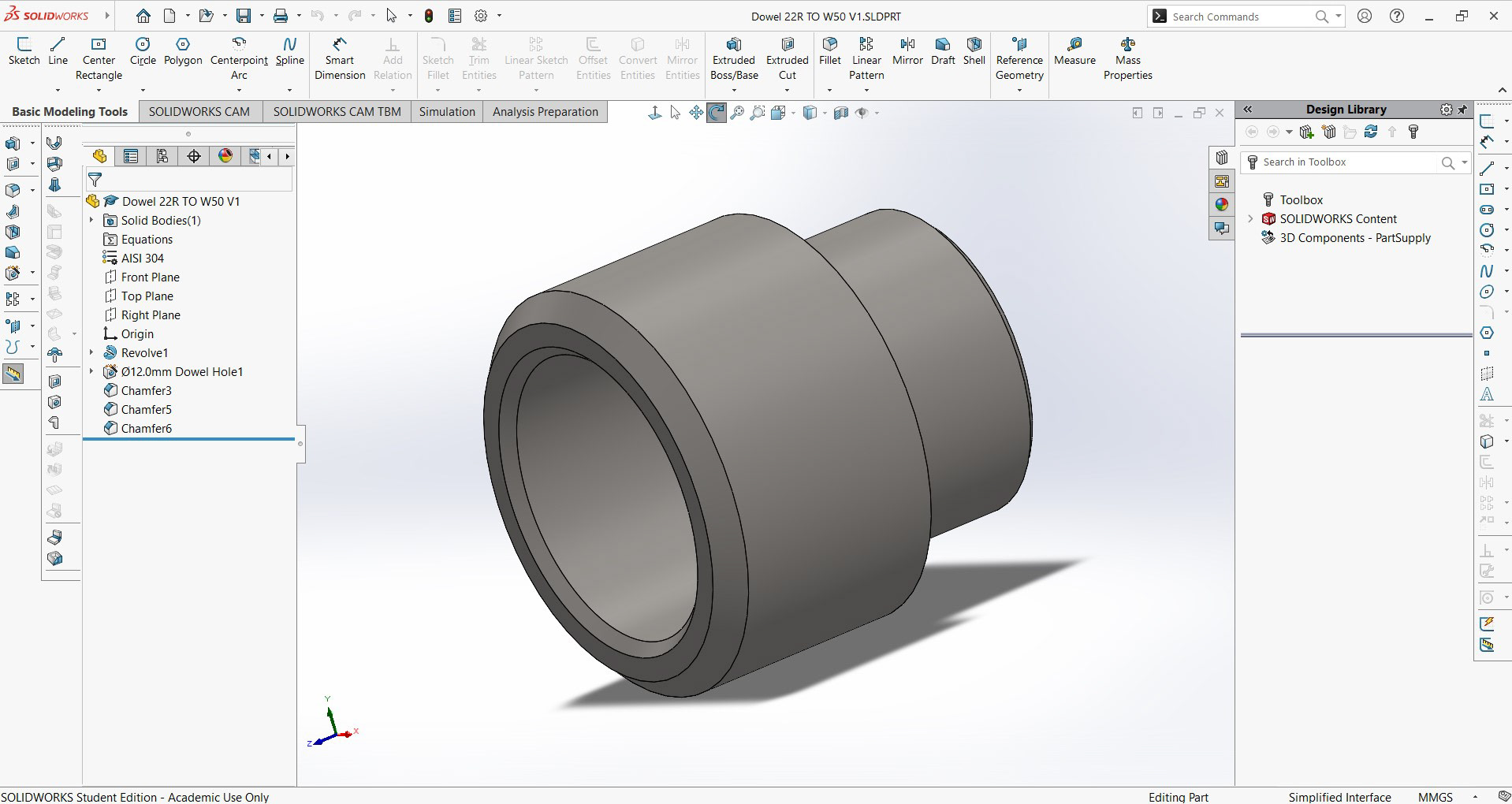
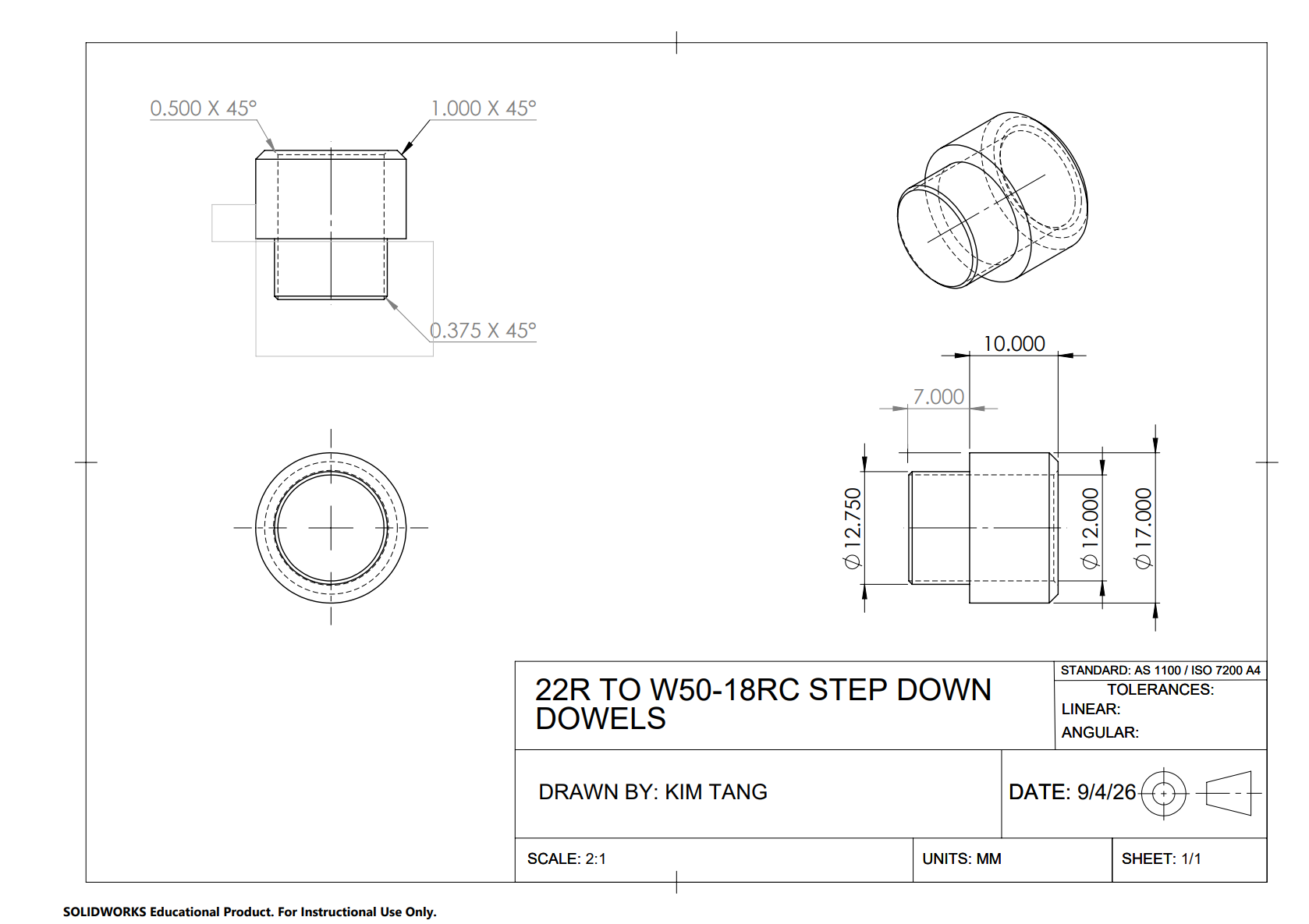
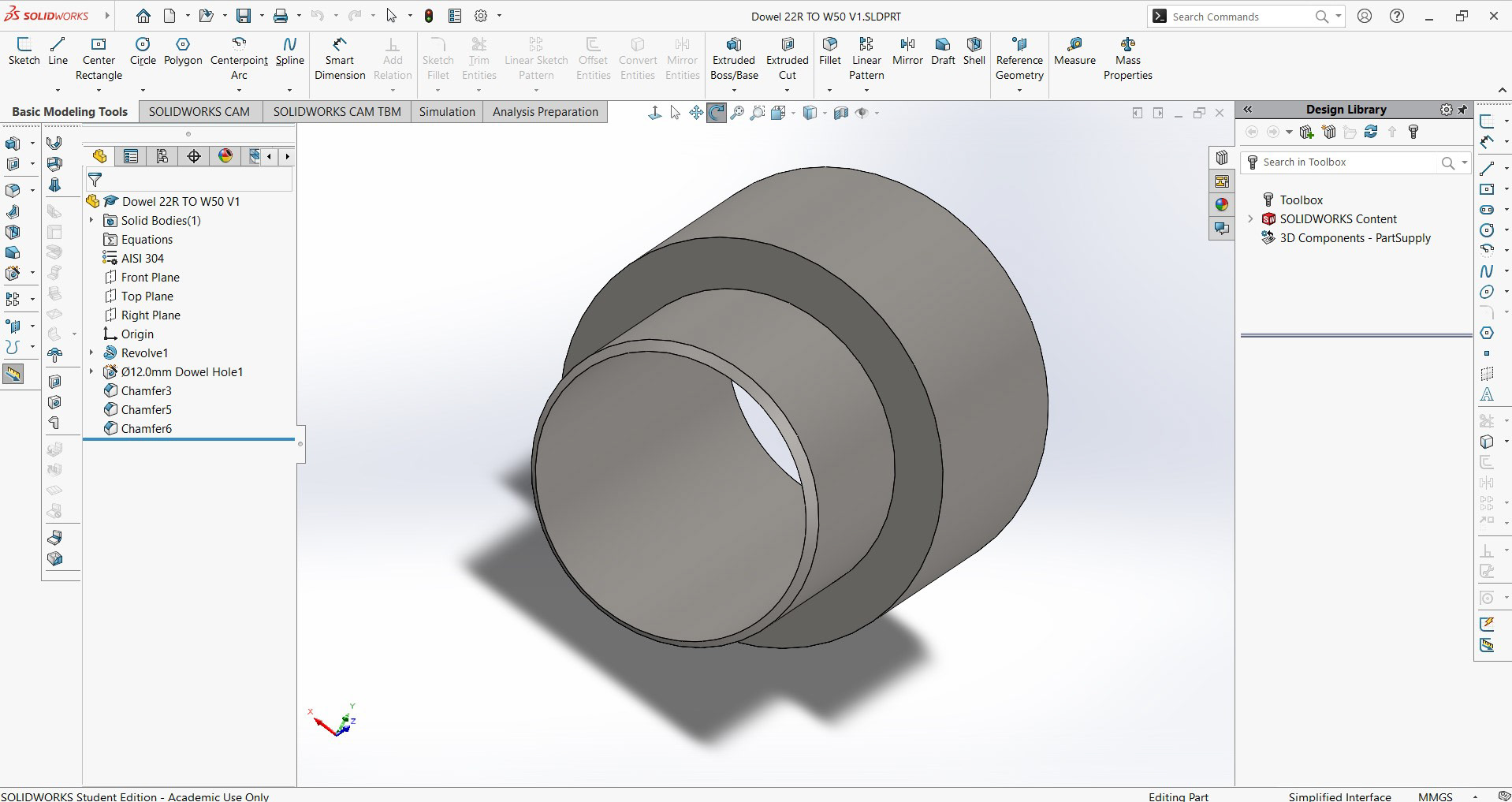
The step-down dowels were modelled in SolidWorks using a combination of verified online specifications and direct measurements. The final parts will either be hand-turned on a lathe or outsourced to a CNC machining service.
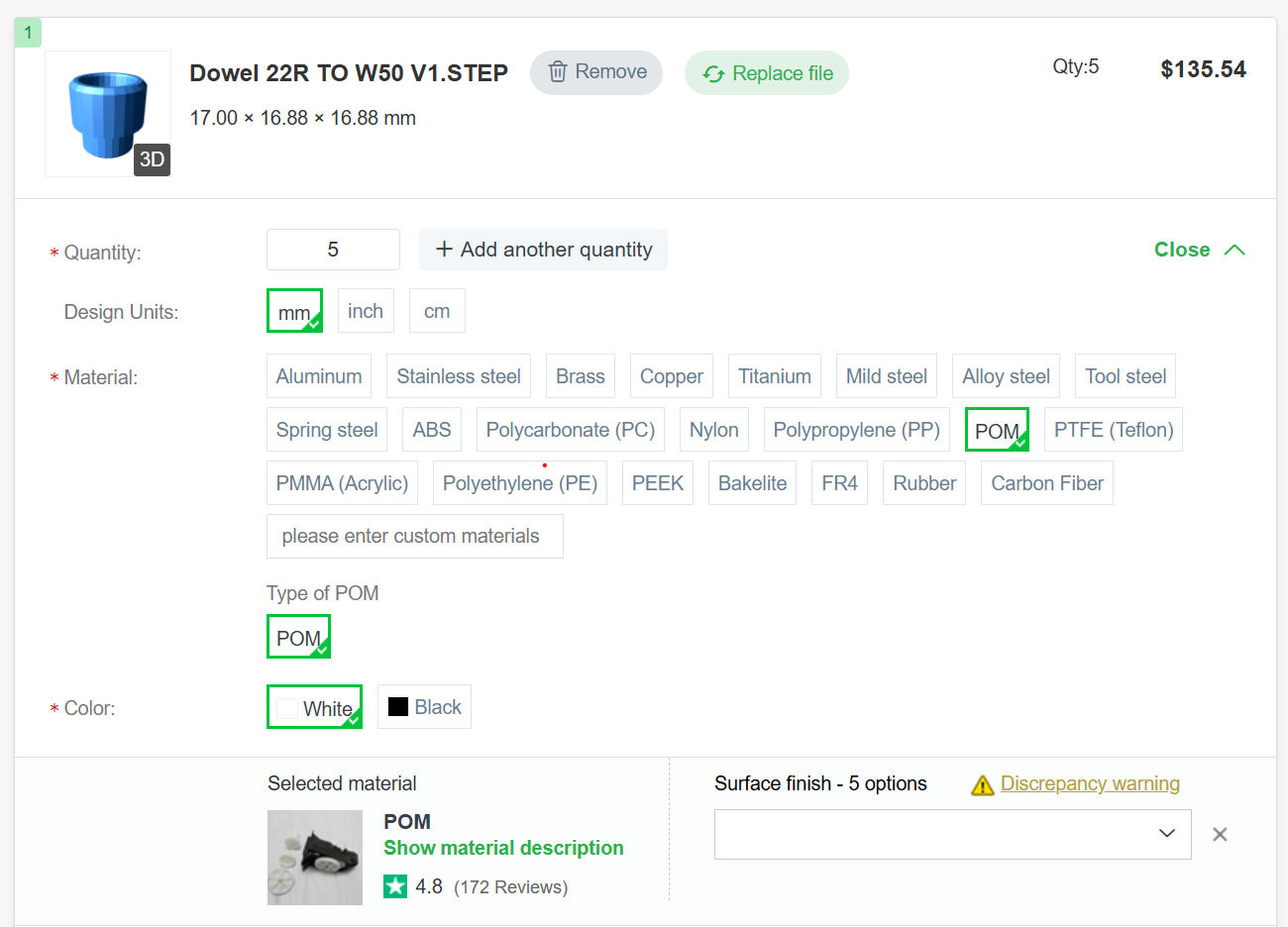
POM (Delrin/Acetal) - $135.54 USD (qty. 5)
POM offers good dimensional stability, corrosion resistance, and machinability, it is not a suitable material for this application. A plastic locating component in a drivetrain assembly presents long-term reliability concerns that outweigh the cost advantage and are difficult to justify from an engineering standpoint, regardless of the low service loads on these parts.
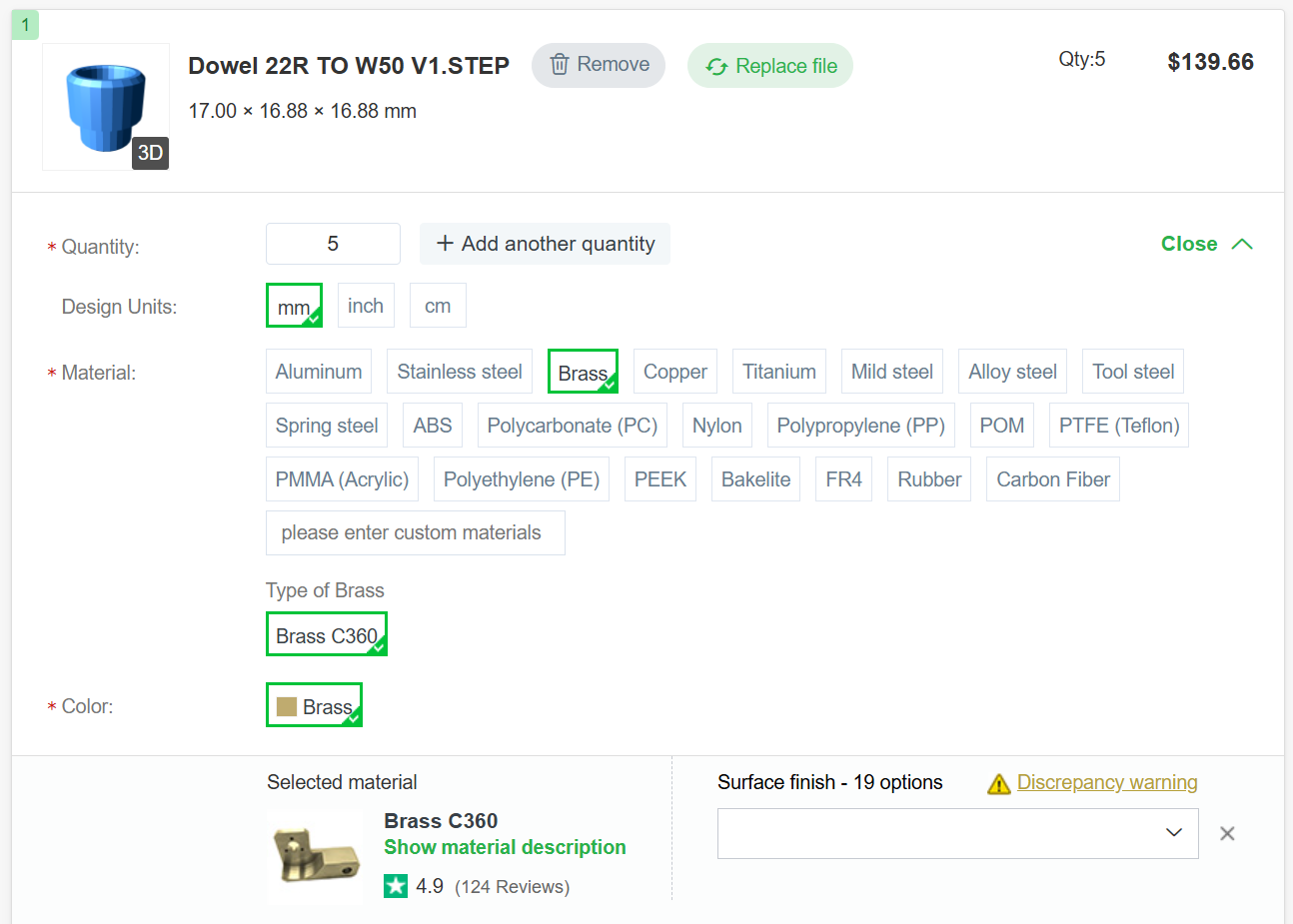
Brass C360 - $139.66 USD (qty. 5)
Brass C360 is a strong candidate for this application. The material offers excellent machinability, natural corrosion resistance, and low galling tendency against steel mating surfaces, all properties well-suited to a precision locating dowel. Since primary load transfer between the engine block and bell housing is handled by the fasteners, the dowels are subject only to light shear from vibration. Brass handles this comfortably with considerable margin, making the strength advantage of steel largely irrelevant here and the $62 cost difference over stainless difficult to ignore.
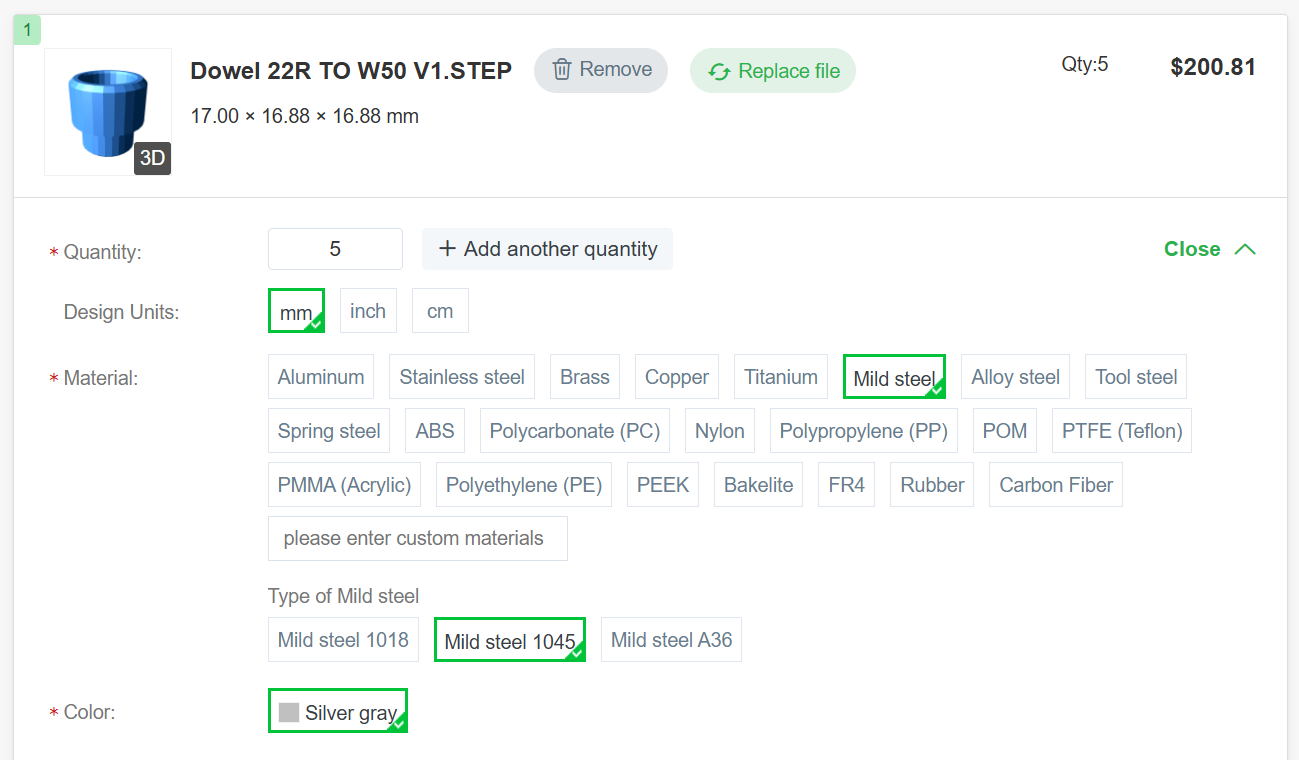
Mild Steel 1045 - $200.81 USD (qty. 5)
Mechanically appropriate for the application, but the susceptibility to corrosion in an engine bay environment is a significant drawback. Moisture, heat cycling, and oil exposure over time increase the likelihood of the dowels seizing in the housing, which would complicate any future disassembly. At near-identical pricing to 303 stainless, there is little engineering justification for selecting this grade.
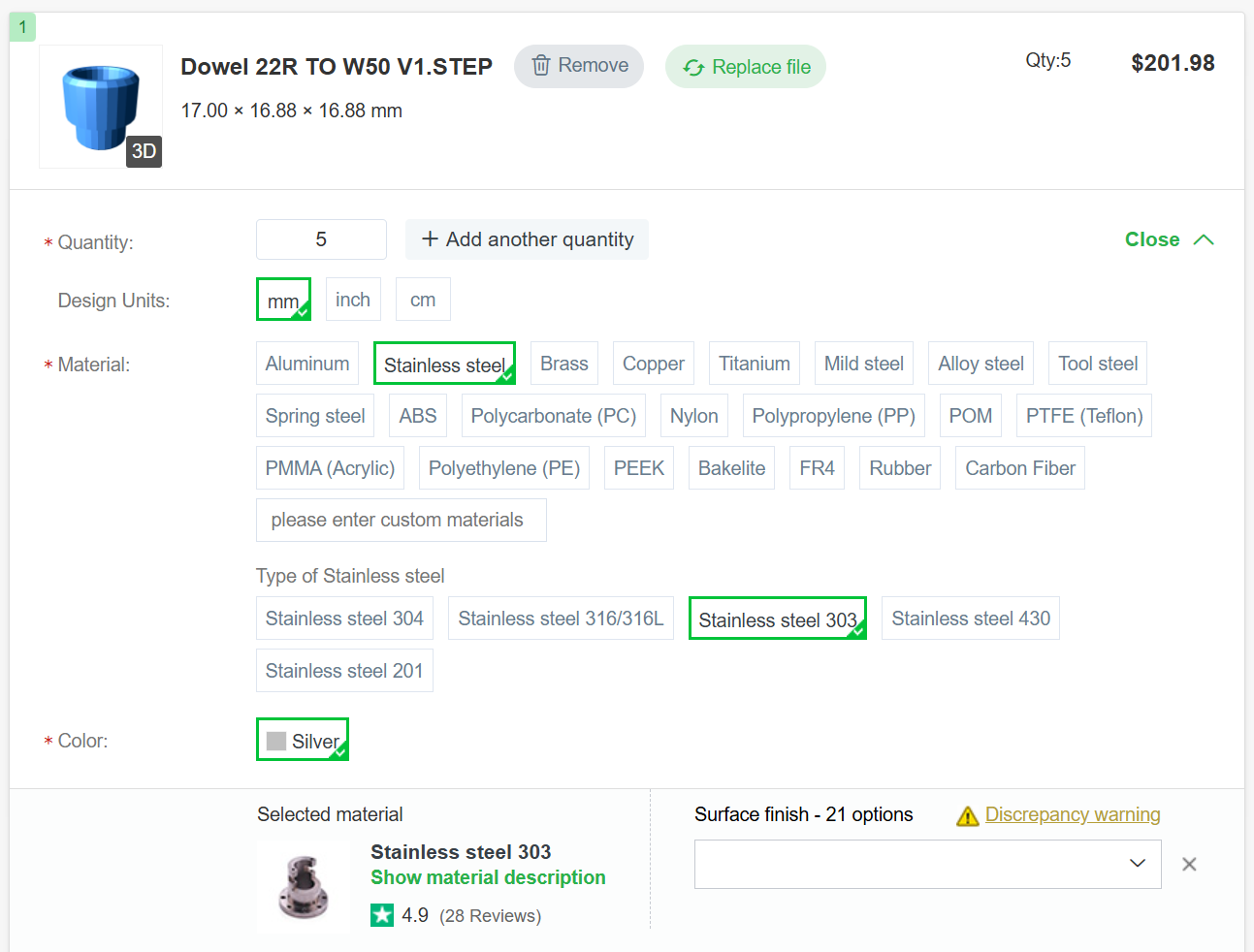
Stainless Steel 303 - $201.98 USD (qty. 5)
303 is the standard material selection for precision turned components such as dowels and pins, and for good reason. The free-machining grade holds tight tolerances reliably, offers strong corrosion resistance in harsh environments, and eliminates the seizure risk present with mild steel. For a build intended to remain in service long-term, 303 stainless represents the most serviceable and professionally sound material choice. The selection between 303 and brass C360 ultimately depends on whether long-term corrosion resistance or upfront cost efficiency is weighted higher, as either material is mechanically suitable for the load case.
These prices have been quoted through PCBWay to give a rough estimate on pricing. Further quotes from local companies would make more sense for this application and quantity. 5P MOQ Via online services, the cost locally should be significantly lower for 2P.
Currently waiting for the engine to be mounted into the chassis to reconfirm dimensions and to test out the 3D printed version to verify dimensions and tolerances before machining with Metal.
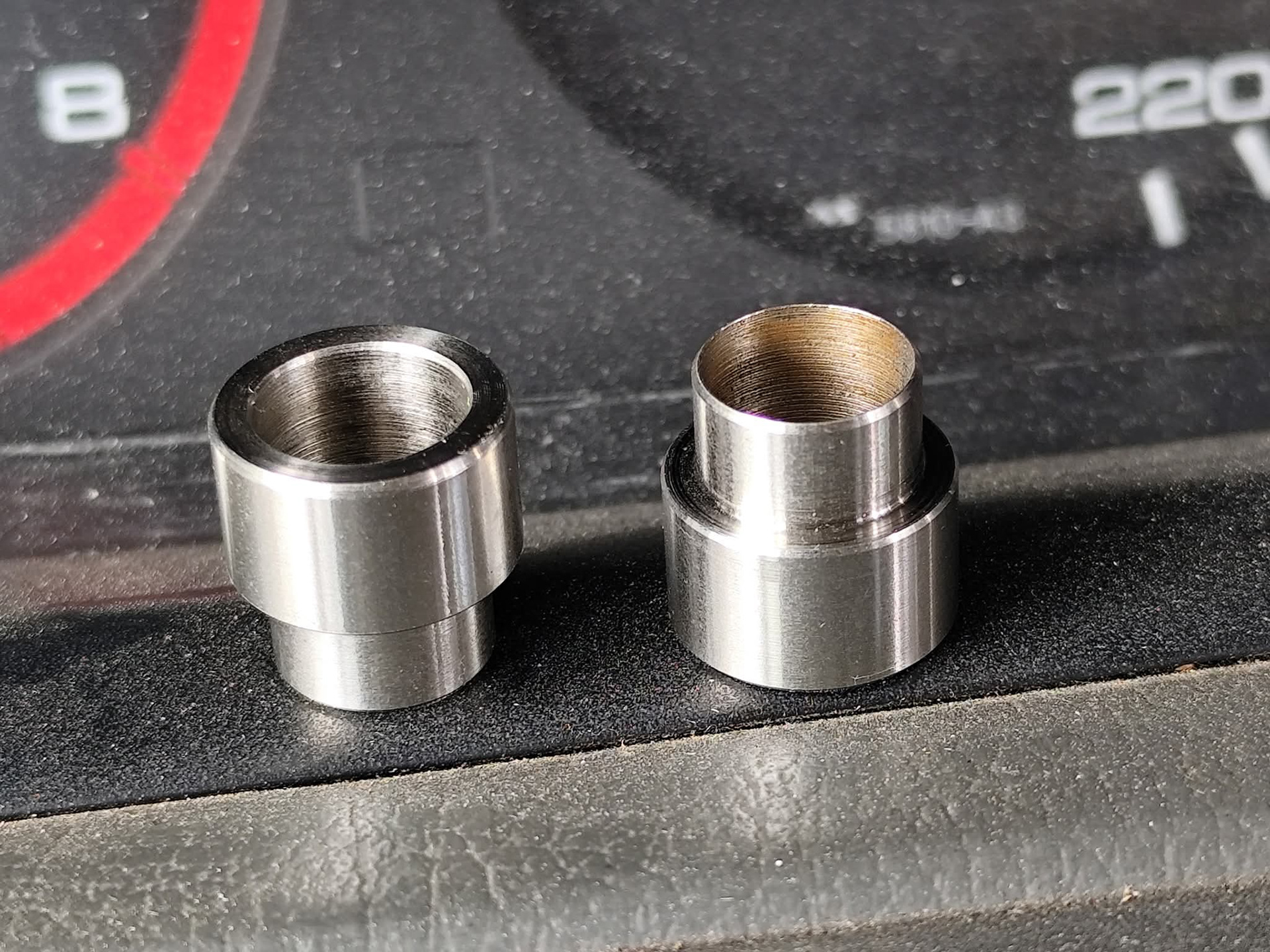
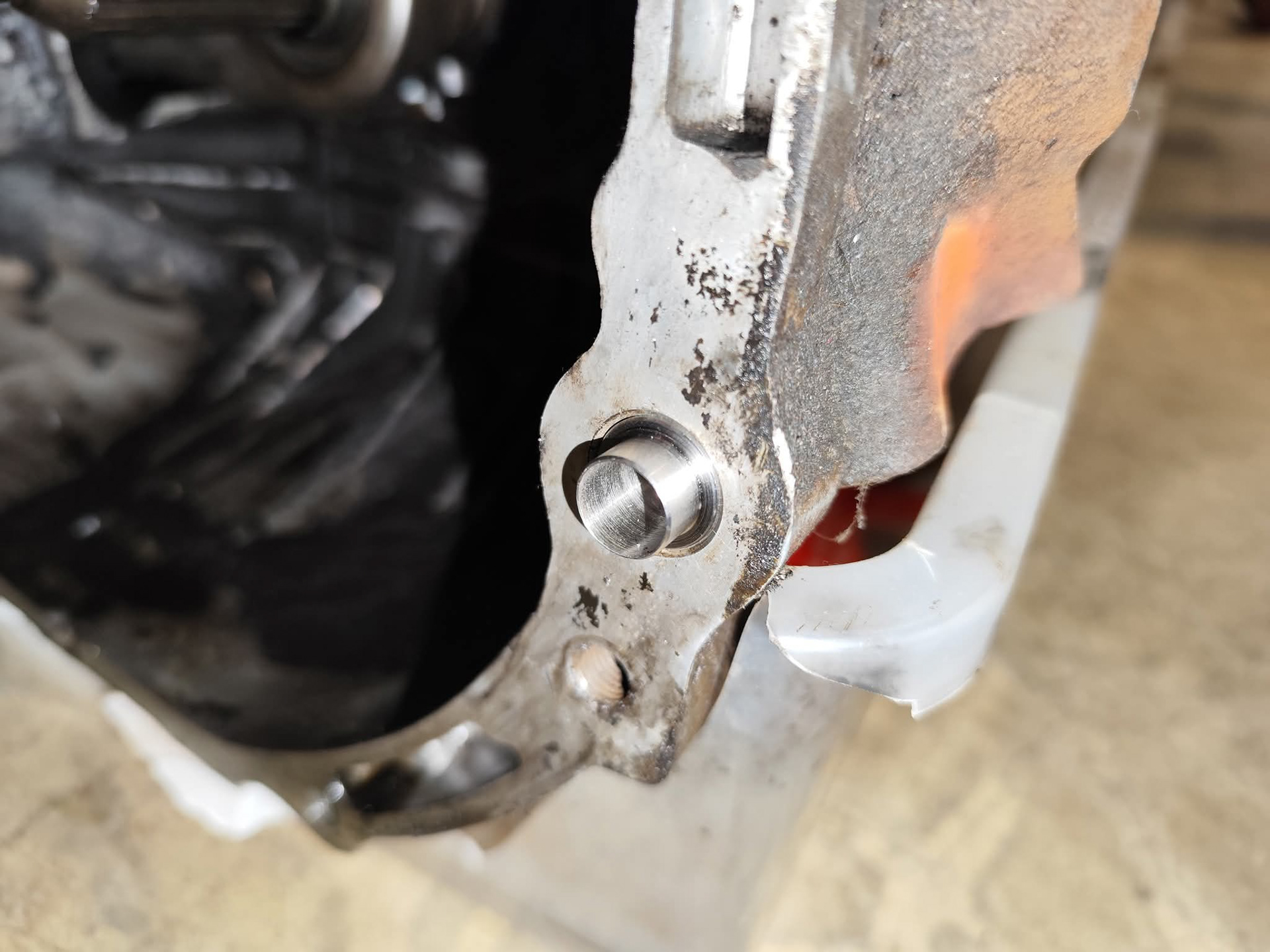
What the Final Product will look and fit like.