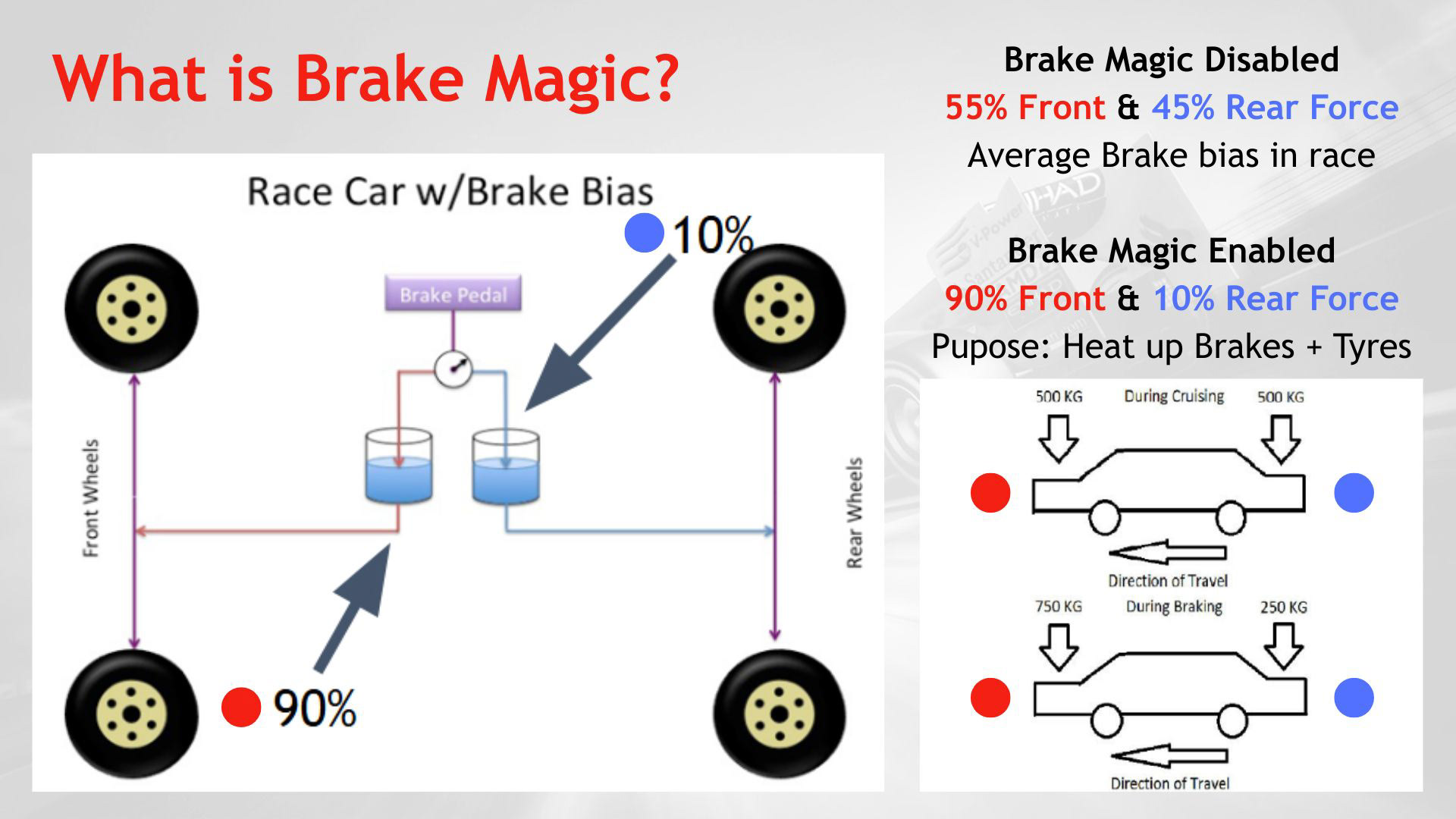
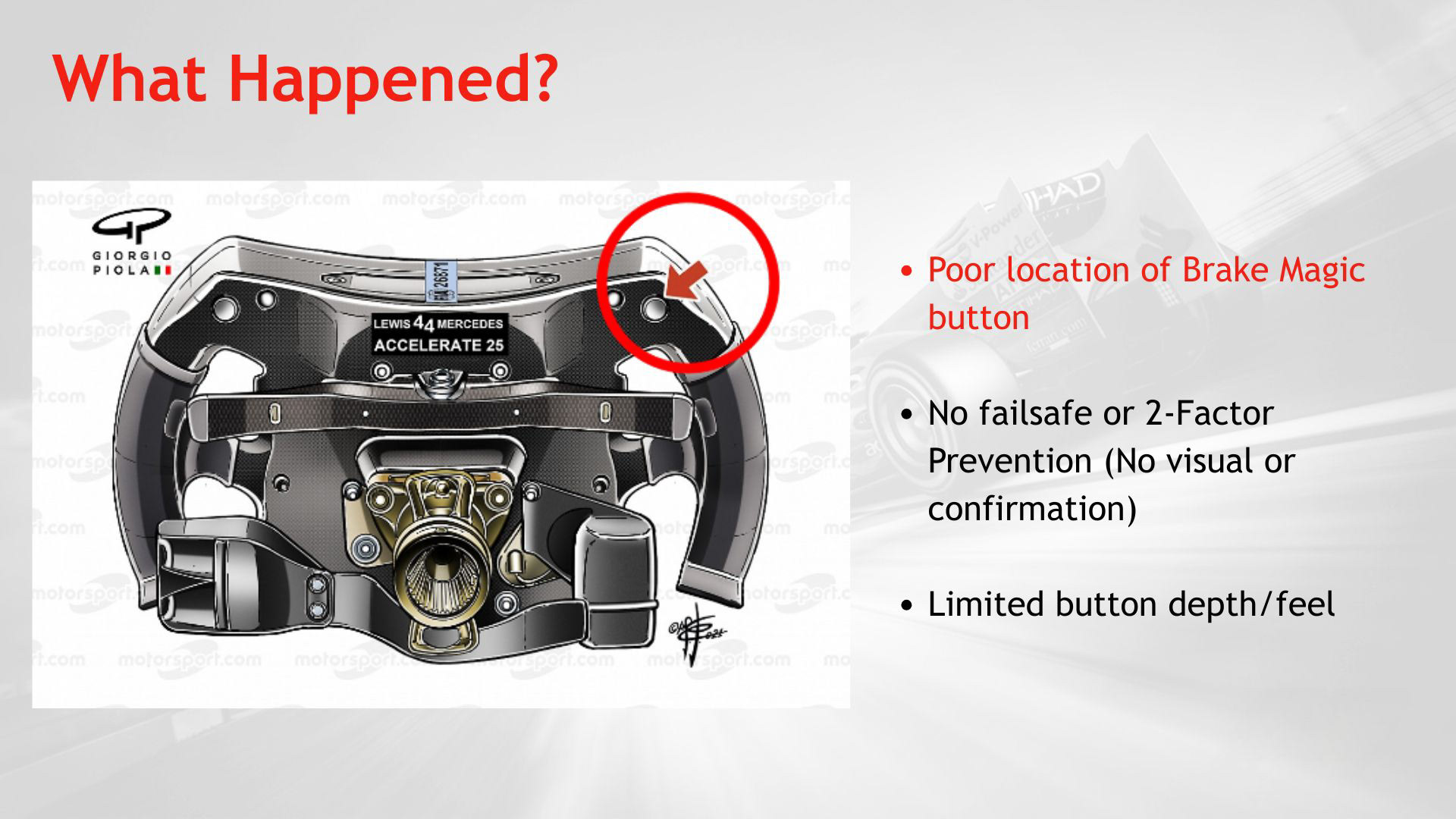
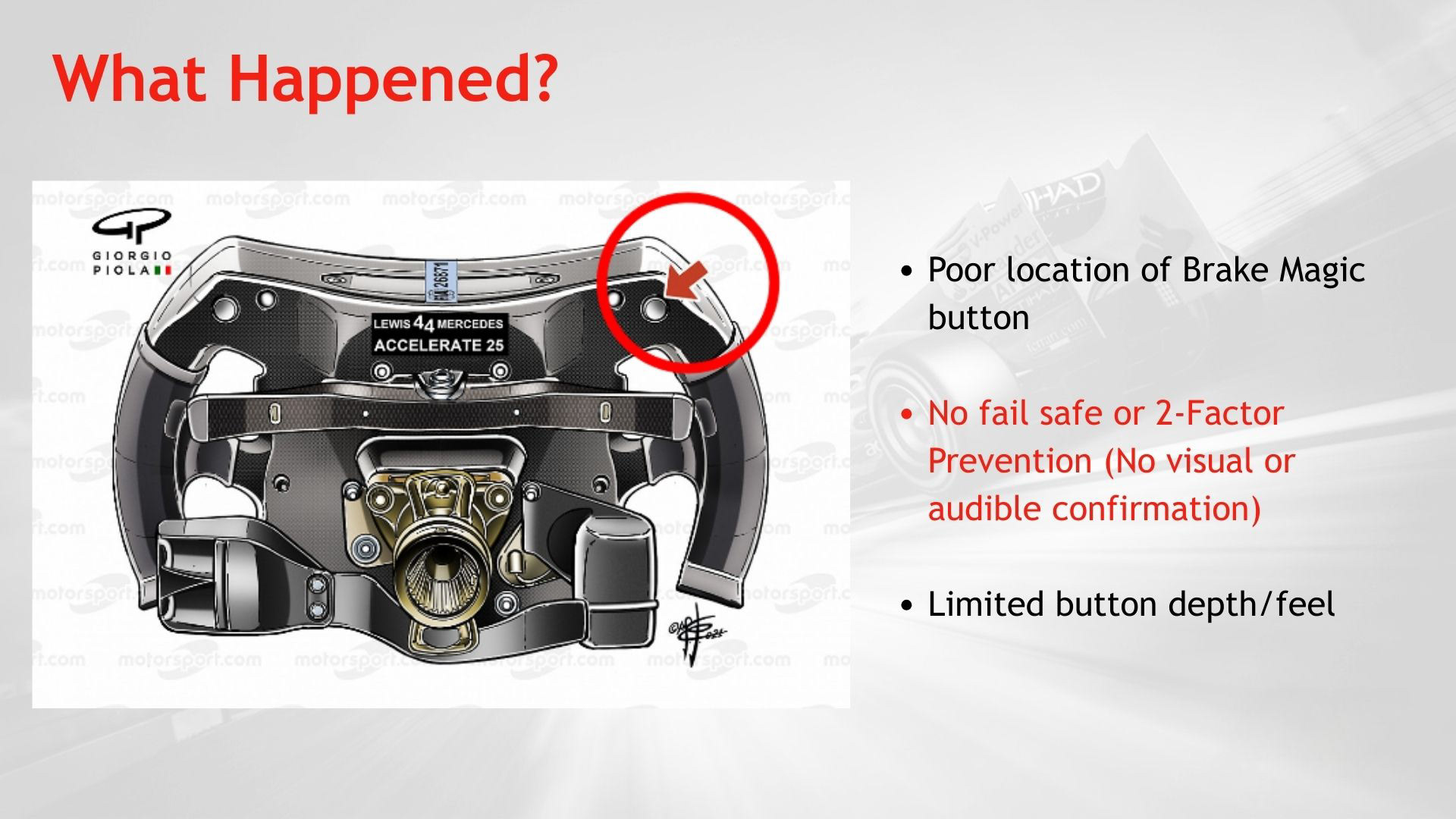
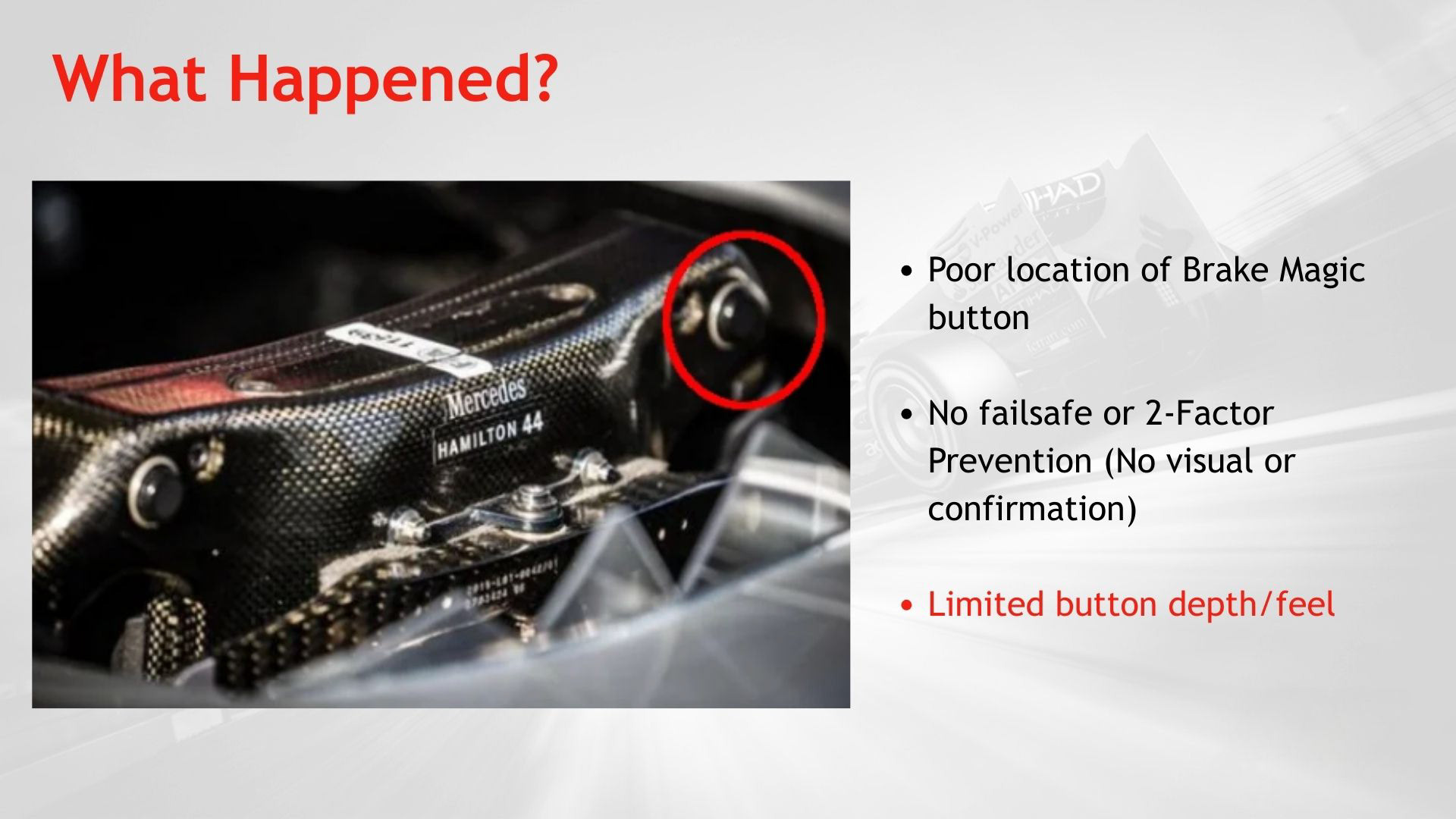
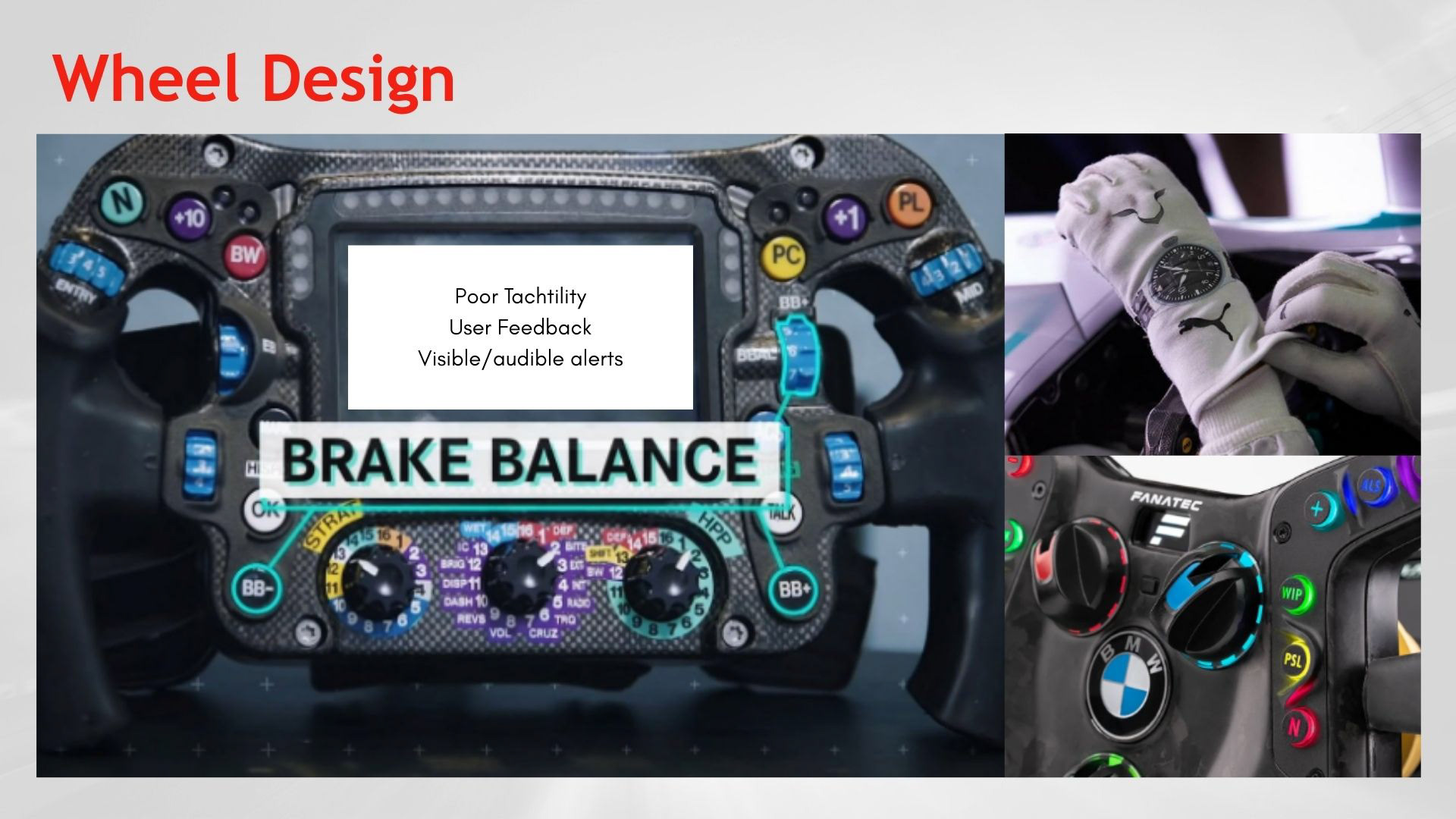
This project focused on identifying and resolving a real-world design issue within high-performance motorsport systems. The case study analysed the widely discussed incident involving Lewis Hamilton’s Formula 1 steering wheel during the 2021 Azerbaijan Grand Prix, where the accidental activation of the “Brake Magic” function drastically altered brake bias under race conditions. While the incident did not result in injury, it highlighted the complexity of control interfaces in motorsport, which can create opportunities for critical input errors, potentially leading to loss of control, mechanical failure, or driver injury.
Through research using technical articles, race analysis, and engineering resources, the project identified several contributing factors, including button placement, limited tactile differentiation, and insufficient feedback mechanisms when activating critical functions. This research explored potential design improvements, focusing on ergonomics, tactile feedback, and safety-oriented control systems.
(2025 - Current)
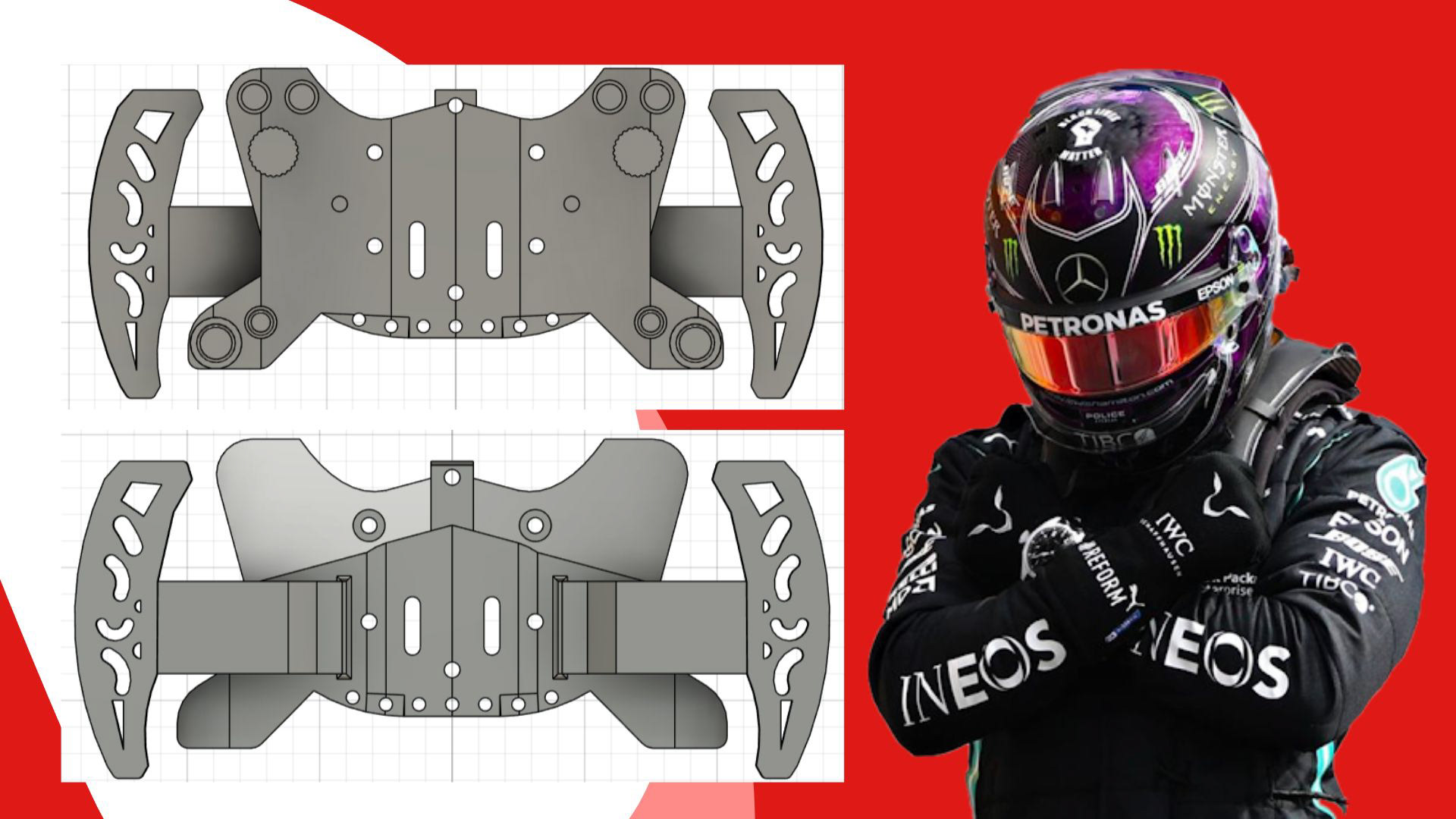
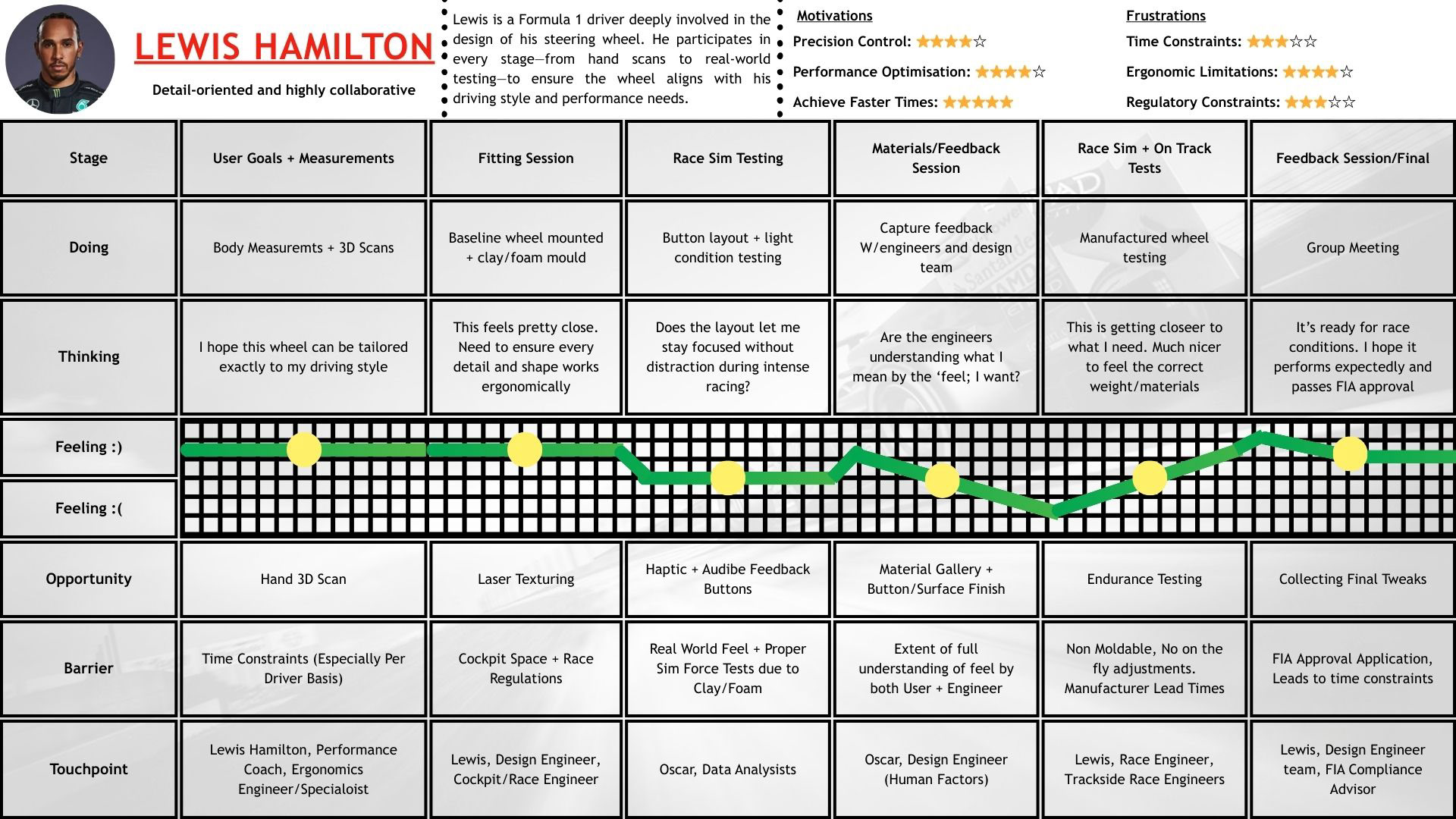
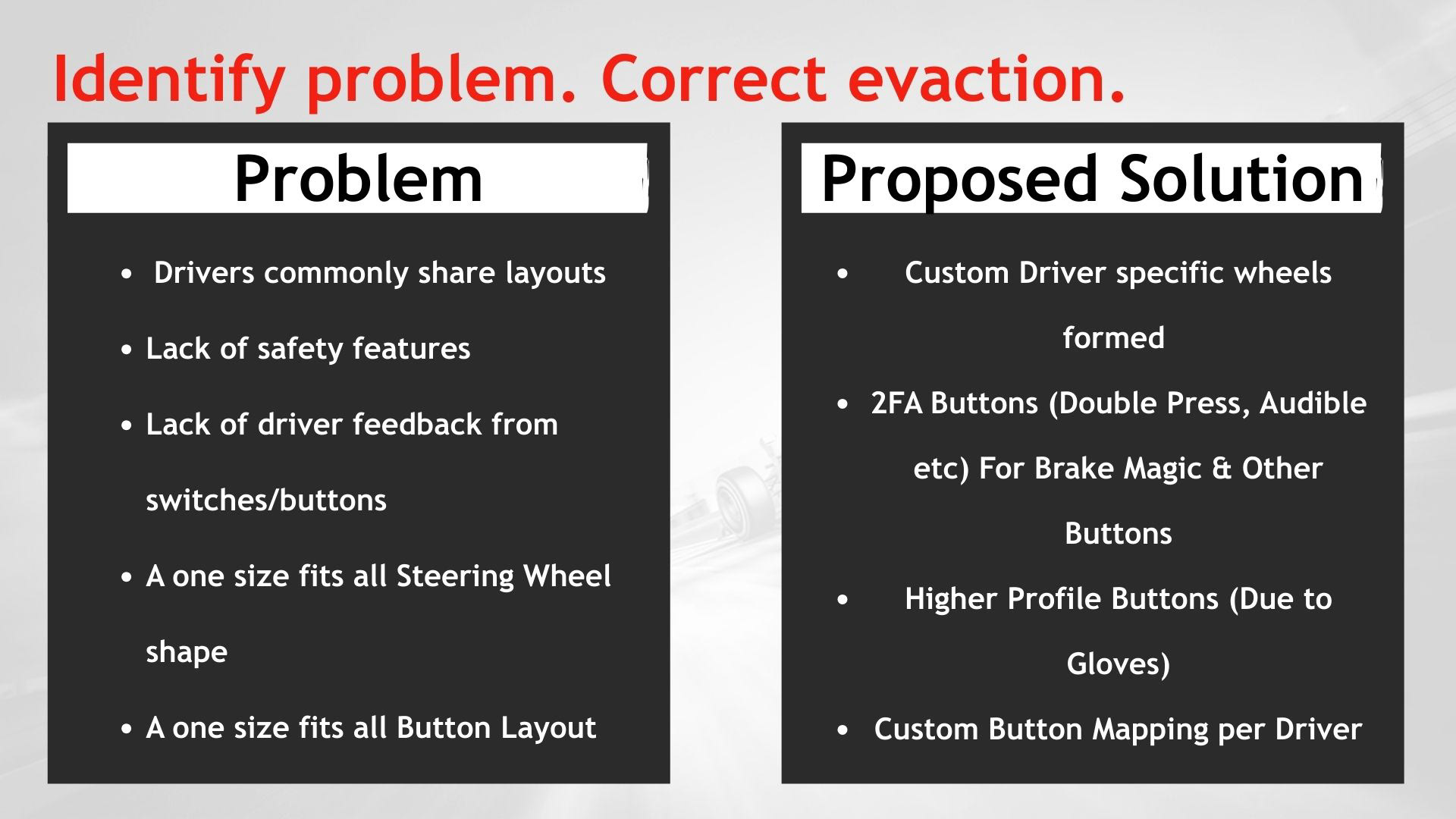
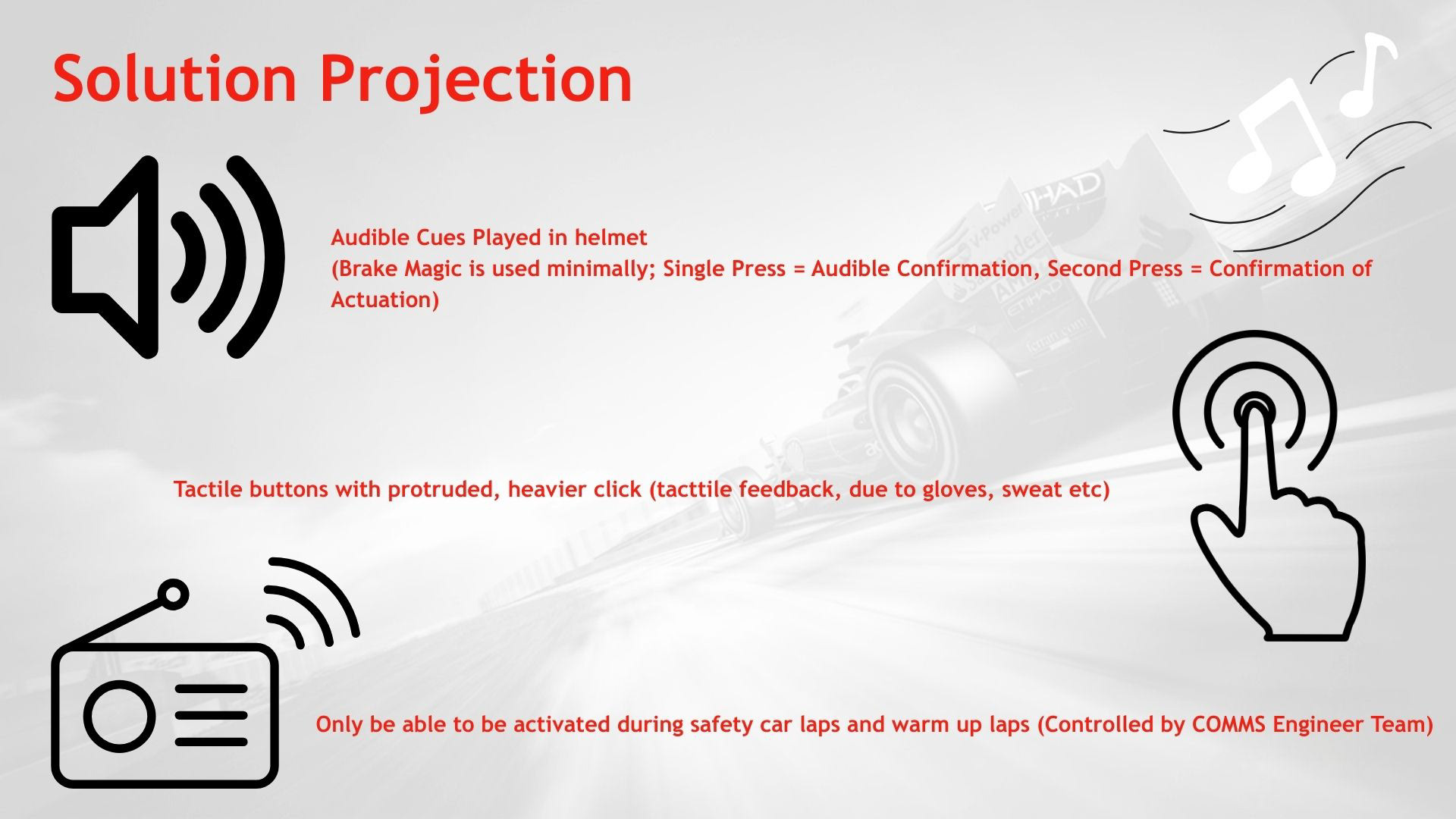
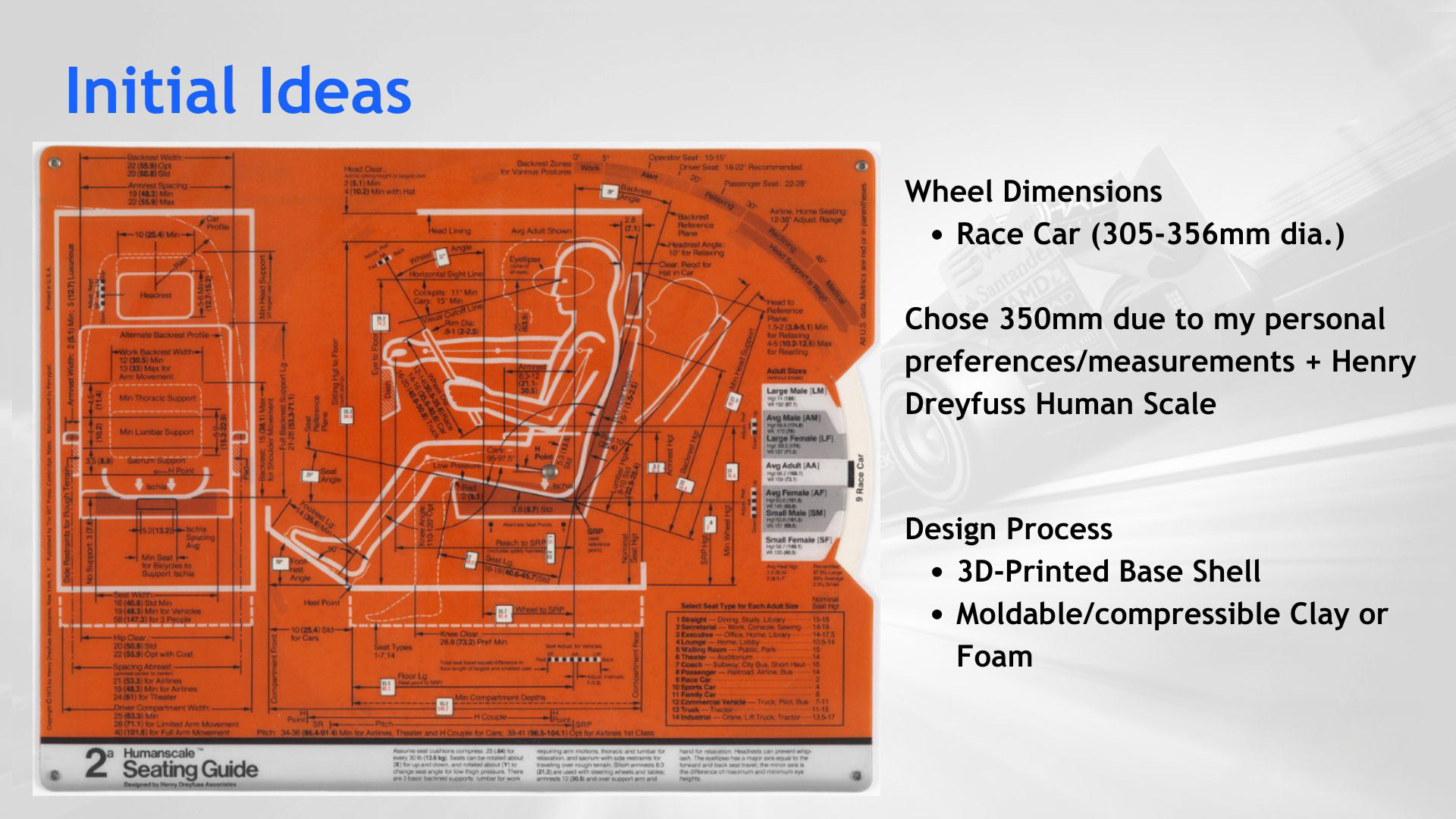
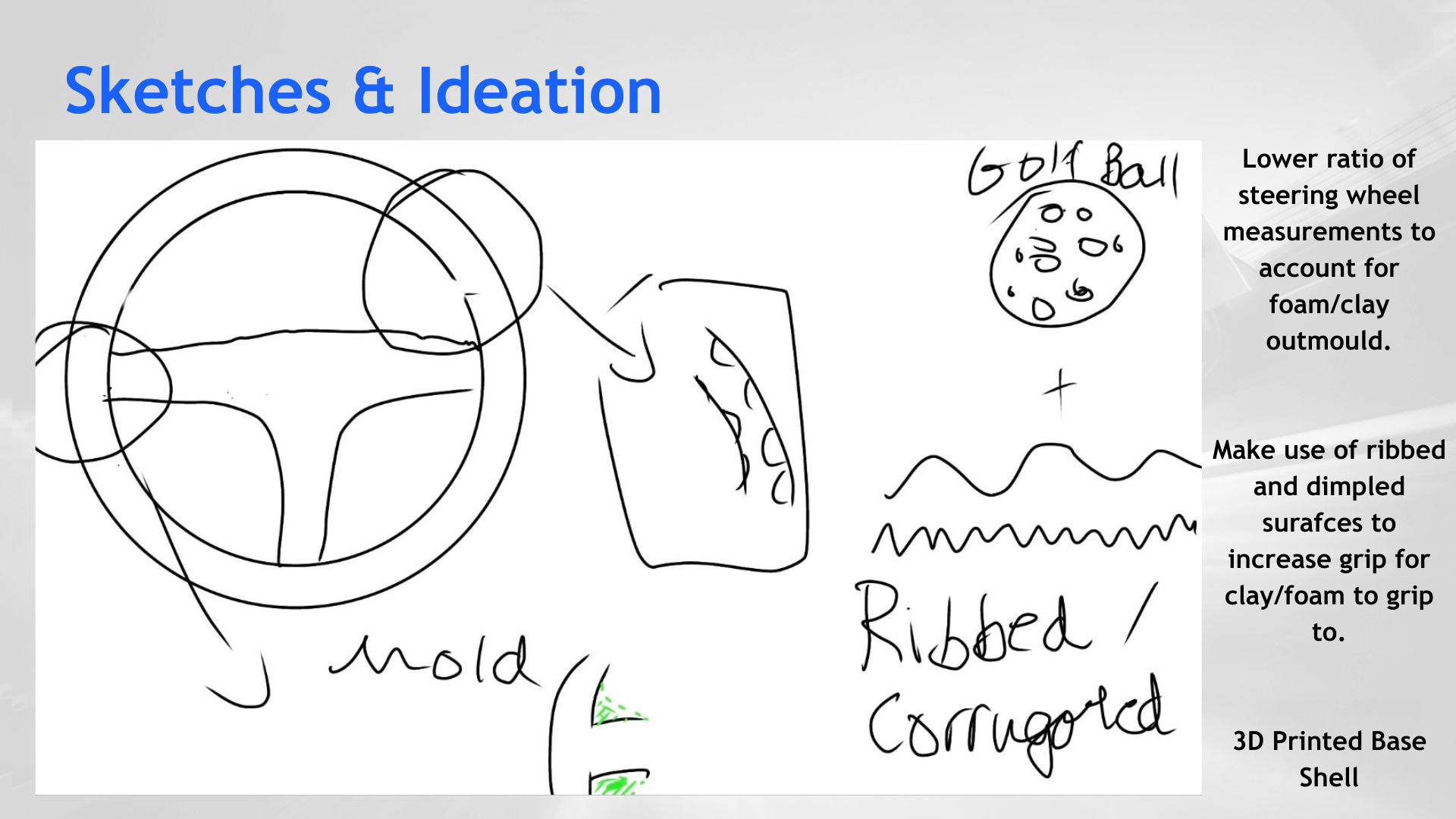
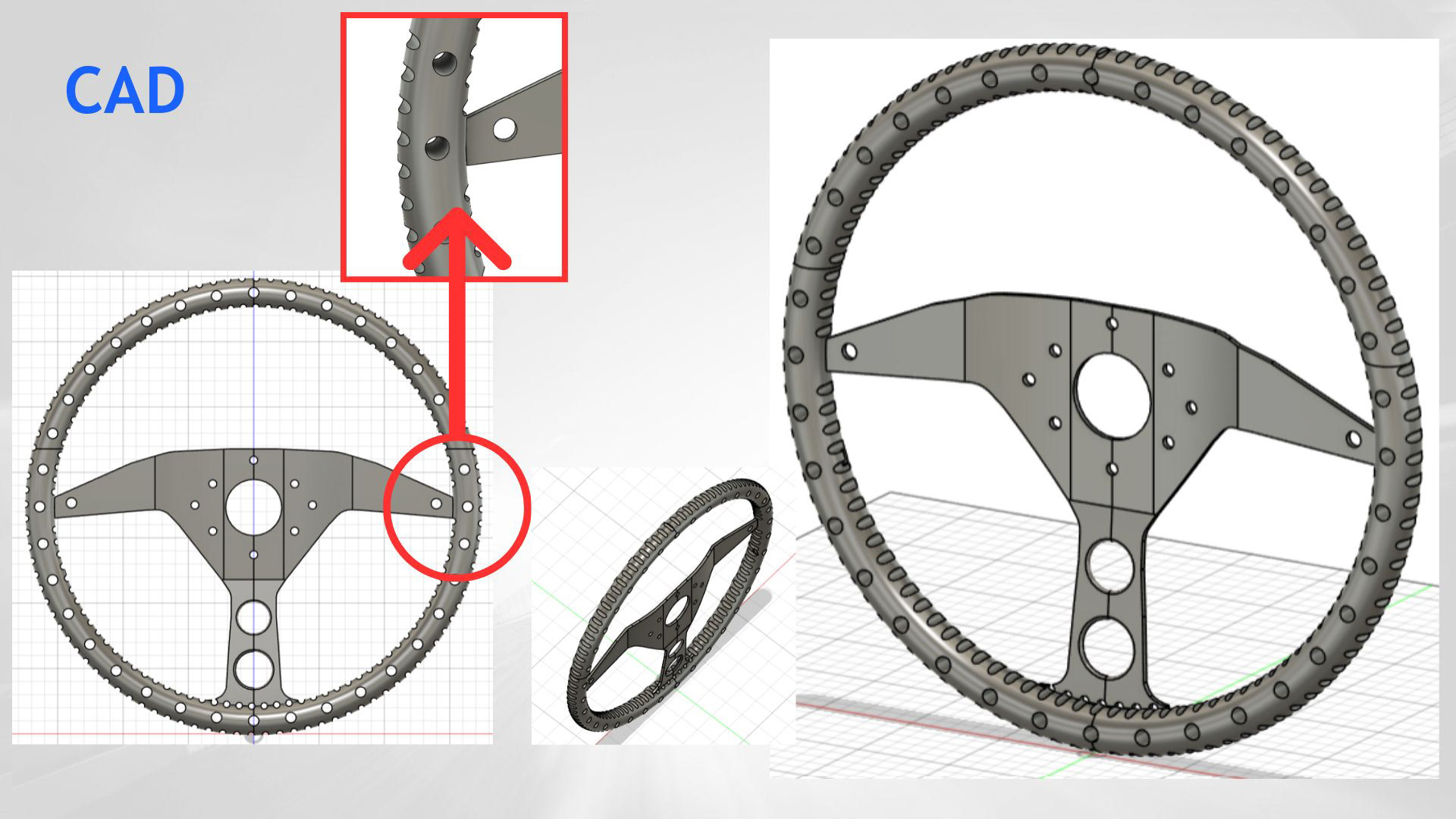
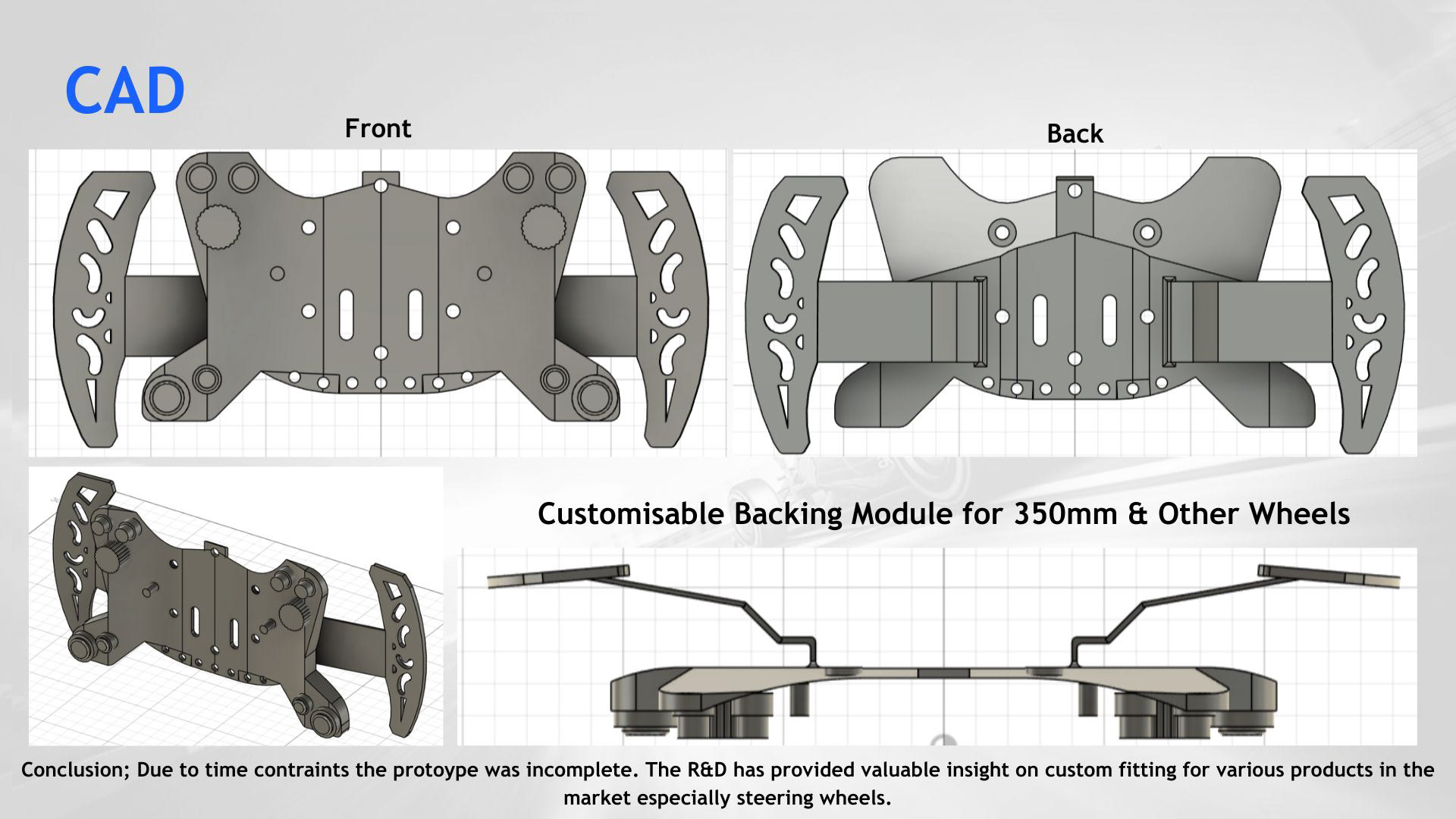
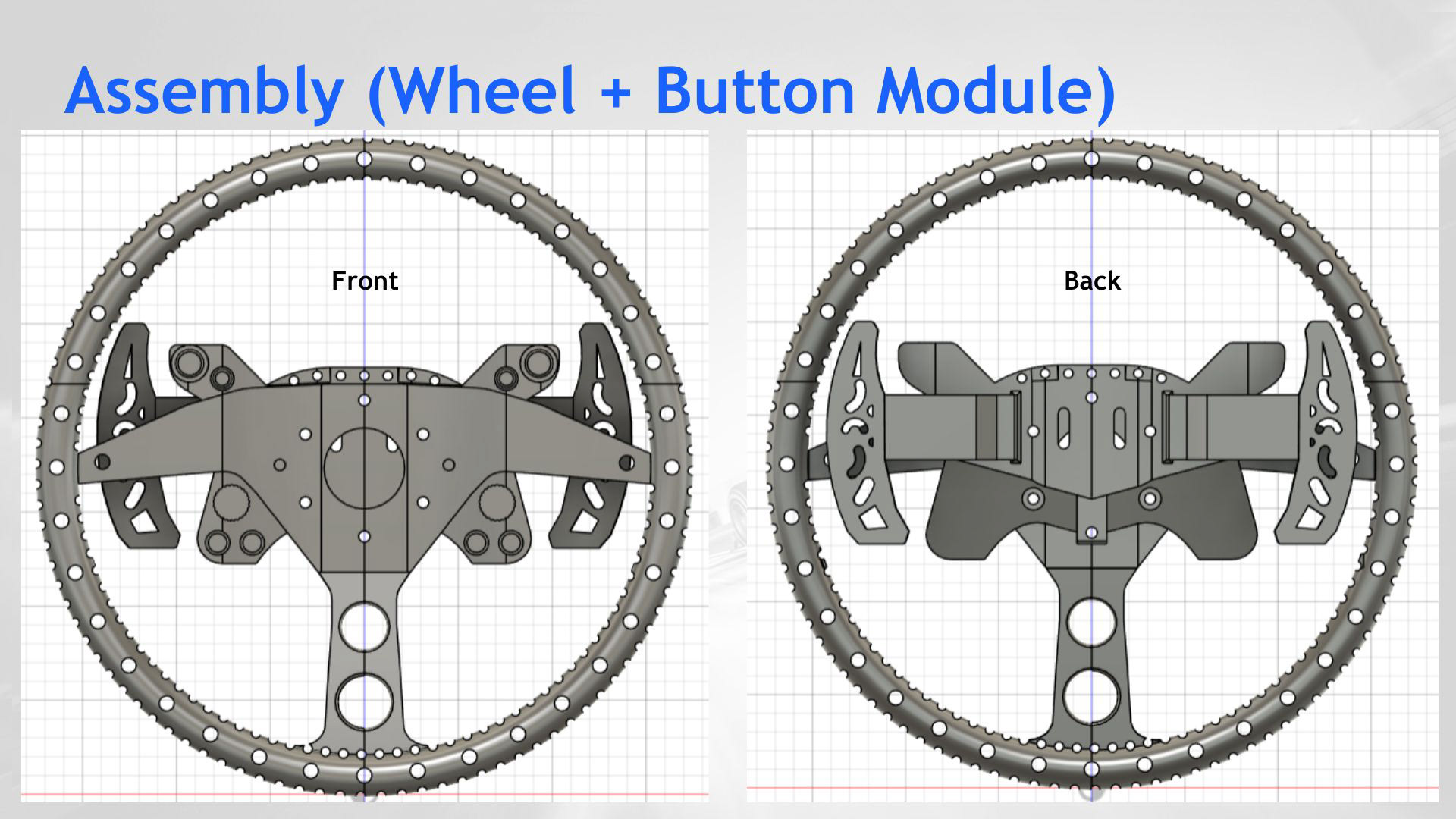
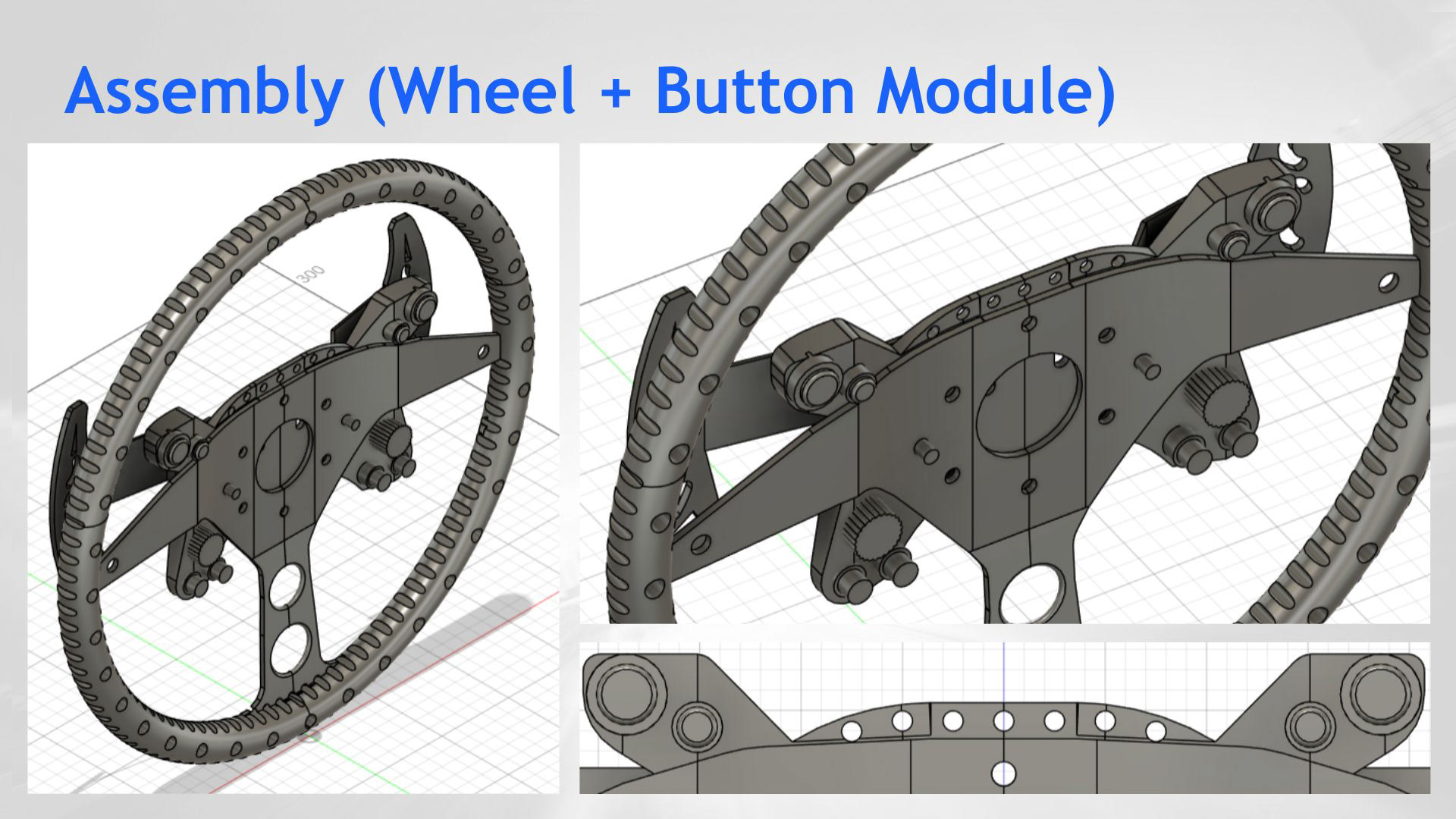
Using CAD modelling, I developed an alternative Formula 1 steering wheel concept designed specifically around improved driver interaction and error prevention. The design incorporated revised button placement, increased tactile feedback, and concepts for multi-stage confirmation inputs for critical controls. Building on the ergonomic research conducted throughout the project, a second steering wheel was also designed for my personal 1981 Toyota Celica project car. This allowed the application of motorsport-inspired design principles to a custom driver-focused control interface.
The final stage of the project involved developing prototype steering wheel models intended for 3D printing and further ergonomic evaluation using clay surface modelling. Although the physical prototype stage was limited by project time constraints, the research and CAD development established a strong foundation for iterative prototyping and testing. This project provided valuable experience in user-centric design, human factors engineering, motorsport system design, and translating research insights into practical prototype solutions.